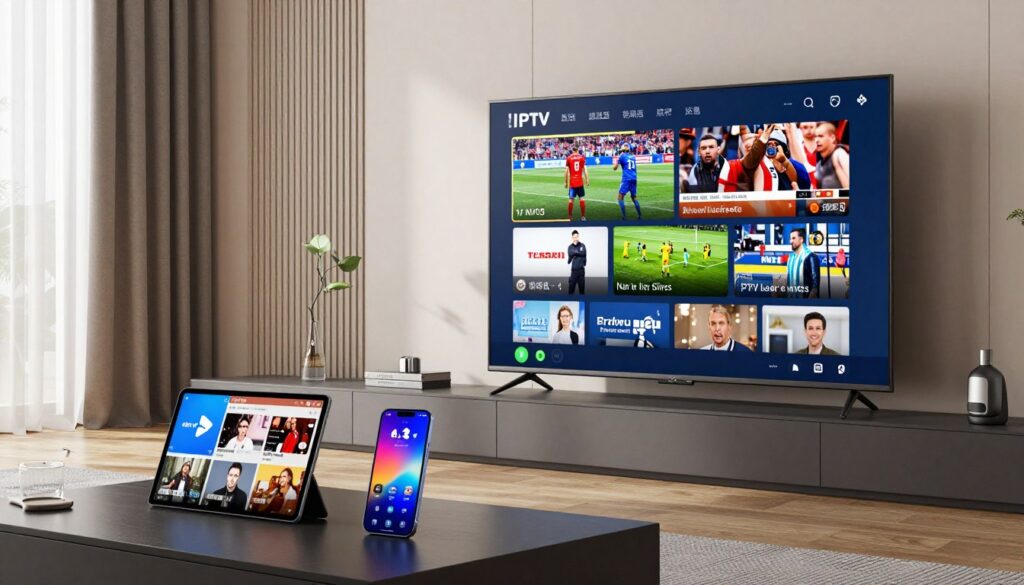
Television viewing has changed dramatically in recent years. Traditional cable and satellite services no longer represent the only path to quality entertainment. Internet Protocol Television has emerged as a powerful alternative, offering viewers unprecedented control over their content.
This technology delivers television programming through internet connections. It transforms how millions of people access live channels, sports events, movies, and shows. The shift represents more than just a new delivery method.
Understanding this service helps consumers make informed decisions about their entertainment. Whether you seek better pricing, more channels, or flexible viewing options, this guide provides comprehensive insights. You will learn how the technology works, what benefits it offers, and how to choose the right provider.
New to streaming television? This guide breaks down everything you need to know about IPTV service, from basic concepts to advanced features. Discover how thousands of viewers are cutting cable costs while gaining access to more content than ever before.
Start Your IPTV Journey Risk-Free
Experience the future of television with a free trial. Access thousands of live channels, sports events, and entertainment content across all your devices. No credit card required to start.
What Is IPTV Service and How Does It Work?
Internet Protocol Television represents a fundamental shift in content delivery. Unlike traditional broadcasting methods that use satellite signals or cable infrastructure, this service transmits programming through your internet connection. The technology converts television signals into data packets that travel across IP networks.
The system operates through a three-part architecture. Content providers deliver programming to service operators. These operators process and encode the streams. Finally, the encoded content reaches your device through your internet connection.
Your viewing experience begins when you select a channel or program. The service sends your request to the provider’s server. The server then streams the requested content directly to your device. This happens in real-time for live channels or on-demand for recorded content.
The Technology Behind Internet Protocol Television
The foundation of this service rests on packet-switching technology. Traditional television sends all channels simultaneously, whether you watch them or not. Internet Protocol Television only sends the channel you are currently viewing. This efficient approach reduces bandwidth requirements and improves streaming quality.
The system uses various protocols to ensure smooth delivery. These include Internet Group Management Protocol for channel changes and Real-time Transport Protocol for streaming. Quality of Service mechanisms prioritize video traffic to maintain consistent playback.
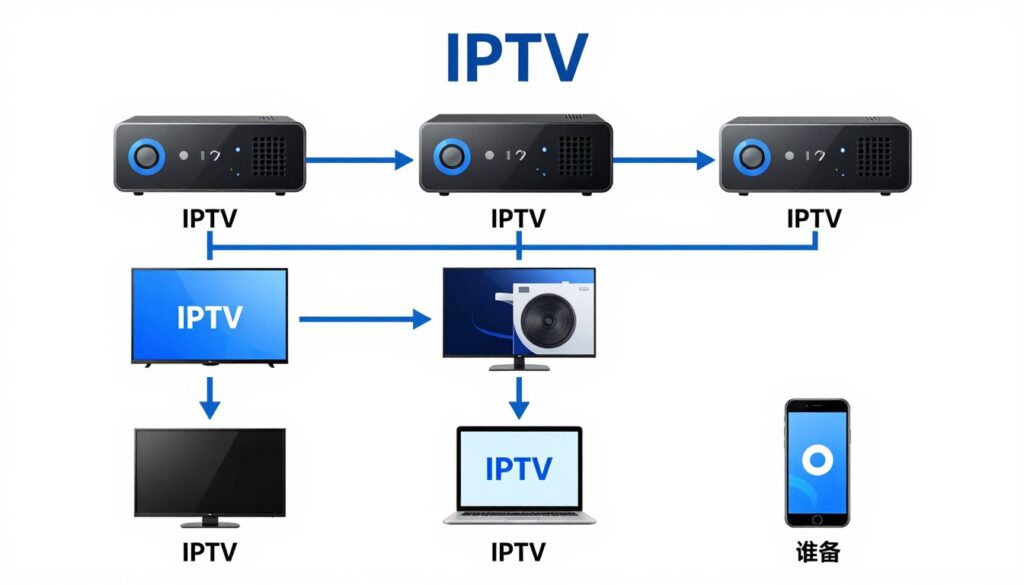
Delivery Methods and Streaming Protocols
Services employ different delivery methods depending on content type. Live television uses multicast streaming, sending one stream to multiple viewers. Video on demand uses unicast, creating individual connections for each viewer. Time-shifted media combines both approaches.
Modern providers utilize adaptive bitrate streaming. This technology adjusts video quality based on your connection speed. During periods of slower connectivity, the system reduces resolution to prevent buffering. When speeds improve, quality automatically increases.
Content protection mechanisms ensure copyright compliance. Digital Rights Management encrypts streams and controls access. Authentication systems verify subscriber credentials before granting access to channels and content libraries.
Equipment and Infrastructure Requirements
Accessing this service requires specific equipment and infrastructure. A stable internet connection forms the foundation. Most providers recommend minimum speeds of 10-25 Mbps for standard definition and 25-50 Mbps for high definition content.
You need a compatible device to receive and display streams. Options include smart televisions with built-in apps, dedicated set-top boxes, streaming devices, computers, tablets, and smartphones. Many services support multiple simultaneous streams across different devices.
Your home network infrastructure affects performance. Wired Ethernet connections provide the most stable experience. Quality routers with sufficient bandwidth capacity ensure smooth streaming across multiple devices. Some viewers use network switches to optimize traffic distribution.
Traditional Cable System
- Receives all channels continuously
- Requires dedicated cable infrastructure
- Fixed channel packages
- Limited device compatibility
- Higher bandwidth consumption
Internet Protocol Television
- Streams only requested content
- Uses existing internet connection
- Flexible subscription options
- Multi-device support
- Efficient bandwidth usage
Key Benefits and Advantages of IPTV Service
Switching to Internet Protocol Television delivers numerous advantages over traditional viewing methods. These benefits extend beyond simple cost savings. They encompass flexibility, content variety, and enhanced viewing experiences that cable and satellite cannot match.
The service empowers viewers with unprecedented control. You choose what to watch, when to watch it, and on which device. This flexibility transforms television from a scheduled activity into an on-demand experience tailored to your lifestyle.
Cost Savings and Value Proposition
Financial benefits represent a primary motivation for many subscribers. Traditional cable packages often include channels you never watch. You pay for hundreds of channels while regularly viewing only a dozen. Internet Protocol Television changes this equation.
Most providers offer tiered pricing structures. Basic packages start at significantly lower monthly rates than cable. You can add specific channel categories or premium content as needed. This à la carte approach means you only pay for content you actually want.
Long-term contracts rarely exist in this space. Month-to-month subscriptions provide flexibility to change or cancel service without penalties. Many providers offer free trial periods ranging from three days to several months. This allows you to test the service before committing financially.
Superior Content Variety and Access
Content libraries dwarf traditional cable offerings. Services typically provide thousands of live channels from around the world. Sports enthusiasts access major sports channels and international events. News viewers find global networks and specialized coverage. Entertainment seekers discover extensive movie catalogs and series libraries.
International content availability sets this service apart. Expatriates maintain connections to home countries through native language channels. Language learners access authentic programming for study. Cultural enthusiasts explore global entertainment without geographic restrictions.
On-demand libraries complement live programming. Most subscriptions include extensive video on demand catalogs. You can watch missed episodes, classic films, or archived sports events whenever convenient. Content remains available for viewing on your schedule, not the broadcaster’s timeline.
Multi-Device Flexibility and Portability
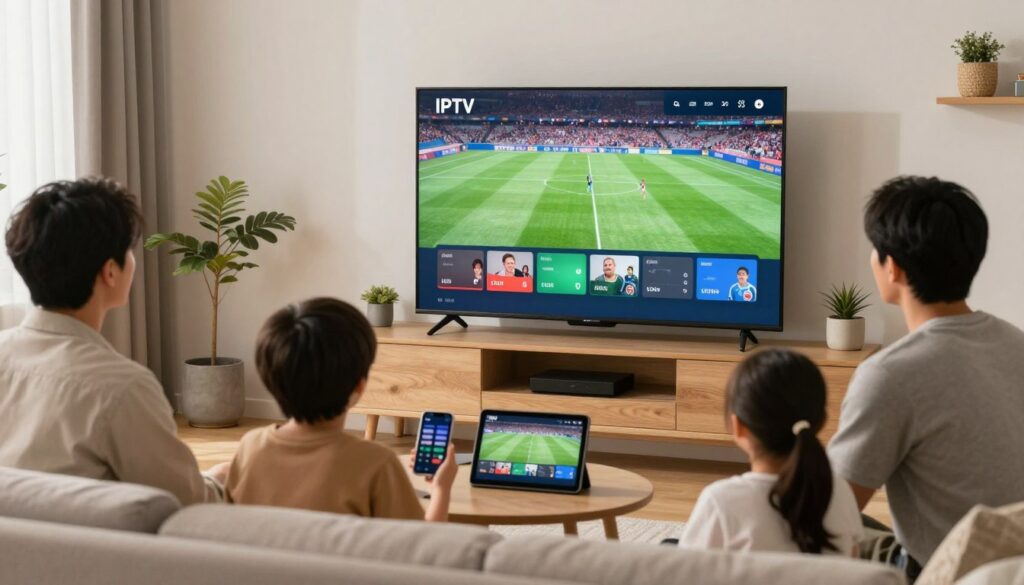
Device compatibility revolutionizes viewing habits. The same subscription works across multiple devices simultaneously. Watch live events on your television while family members stream different content on tablets or phones. This multi-screen capability eliminates household conflicts over channel selection.
Portability extends your entertainment beyond home. Access your subscription while traveling, at work during breaks, or anywhere with internet connectivity. Your entire channel lineup and content library travels with you. Geographic restrictions rarely apply to legitimate services.
Cloud-based recording features enhance flexibility. Many services include digital video recorder functionality. Record live events, sports matches, or series episodes to cloud storage. Access these recordings from any device, eliminating the need for physical DVR equipment.
Advantages of IPTV Service
- Significantly lower monthly costs than cable
- Thousands of live channels available
- Watch on unlimited devices simultaneously
- No long-term contracts required
- Access international and specialty content
- On-demand libraries included
- Free trial periods for testing
- Cloud DVR functionality
- Superior video quality options
- Portable across locations
Considerations to Keep in Mind
- Requires reliable internet connection
- Quality depends on bandwidth availability
- Learning curve for new users
- Service reliability varies by provider
- May require additional equipment
- Internet data usage increases
Enhanced Viewing Quality and Features
Video quality often exceeds traditional broadcasting. Many services offer high definition streams as standard. Premium tiers provide 4K resolution for compatible content and devices. Adaptive streaming ensures optimal quality for your current connection speed.
Advanced features enrich the viewing experience. Electronic program guides provide detailed scheduling information. Parental controls protect younger viewers. Multi-language audio tracks and subtitles accommodate diverse households. Personalized recommendations help discover new content based on viewing history.
Interactive elements add value beyond passive viewing. Some services integrate social features, allowing you to share watching experiences. Others provide supplementary information about programs, actors, or sports statistics. These enhancements create engaging experiences impossible with traditional television.
Experience These Benefits Yourself
See why millions have switched to IPTV service. Compare top providers offering extensive channel lineups, multi-device streaming, and free trial periods. Find the perfect match for your viewing needs and budget.
Different Types of IPTV Services Available
Internet Protocol Television encompasses several distinct service categories. Each type serves different viewing preferences and consumption patterns. Understanding these categories helps you identify which service model best matches your needs.
Providers often combine multiple types within single subscriptions. This hybrid approach delivers comprehensive entertainment solutions. Knowing the distinctions enables more informed provider comparisons and subscription decisions.
Live Television and Broadcast Streaming
Live streaming represents the most traditional service type. It delivers real-time television programming as it broadcasts. This model mirrors conventional cable and satellite services but uses internet delivery instead of dedicated infrastructure.
Sports content drives significant live streaming demand. Major sports channels broadcast games, matches, and events in real-time. Fans access live coverage of football, basketball, soccer, hockey, and international competitions. Many services include specialized sports packages with comprehensive coverage.
News networks provide continuous live coverage. Viewers access local, national, and international news channels. Breaking events stream as they happen. Weather channels offer real-time forecasts and emergency coverage. This immediate access keeps viewers informed about current events.
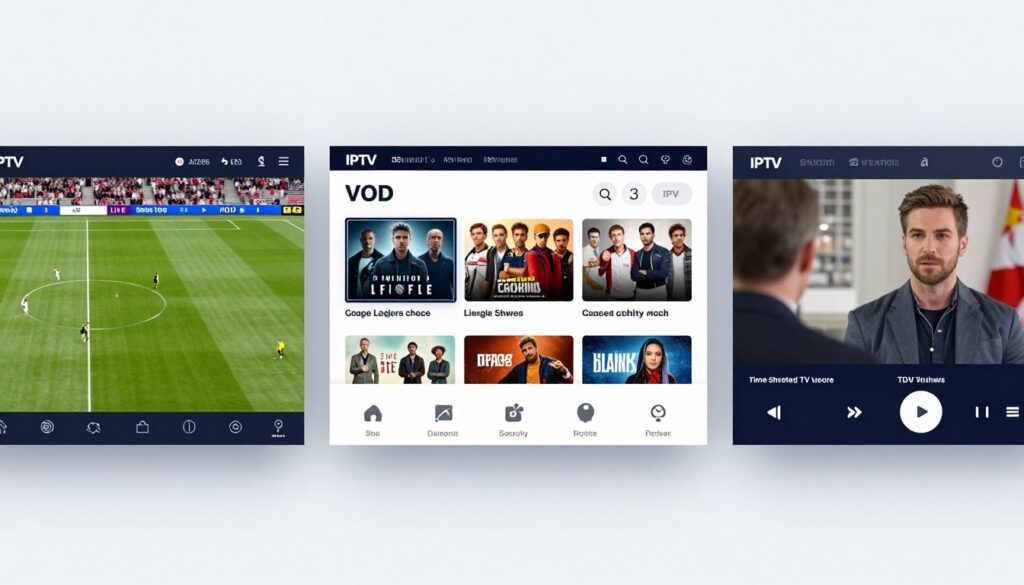
Entertainment channels complete live offerings. Viewers watch series premieres, award shows, and special events as they air. Live music performances, comedy specials, and cultural programming stream to audiences worldwide. The immediacy creates shared viewing experiences despite geographic separation.
Video on Demand and Content Libraries
Video on demand services provide extensive content libraries for asynchronous viewing. This model prioritizes convenience over immediacy. You select content from catalogs containing thousands of titles, watching whenever your schedule permits.
Movie libraries offer extensive film collections. Classic cinema, recent releases, independent films, and international productions fill digital shelves. Genre categories simplify discovery. Search functions help locate specific titles. Recommendation engines suggest content based on viewing history.
Series catalogs enable binge-watching culture. Complete seasons of television shows become available simultaneously. You control pacing, watching entire series over weekends or spacing episodes across months. No waiting for weekly broadcasts. No commercial interruptions. Pure, uninterrupted storytelling.
Specialized content categories serve niche interests. Documentary collections explore history, science, nature, and culture. Children’s programming provides age-appropriate entertainment. Educational content supports learning across subjects. Fitness programs guide workouts. Cooking shows inspire culinary adventures. The variety extends far beyond mainstream entertainment.
Time-Shifted Television and Catch-Up Services
Time-shifted viewing combines live broadcasting with on-demand flexibility. This hybrid model records live programming automatically. Content remains available for viewing after original broadcast times. The approach accommodates busy schedules while preserving access to scheduled programming.
Catch-up services archive recent broadcasts. Missed your favorite show’s latest episode? Access it through catch-up libraries. Most services retain content for several days or weeks after initial broadcast. This grace period ensures you never truly miss important programming.
Start-over functionality enhances live viewing. Join a program already in progress? Start from the beginning while it continues broadcasting. This feature eliminates the frustration of partial viewing experiences. Sports fans particularly value this capability for games starting before they arrive home.
Cloud DVR integration expands time-shifting capabilities. Schedule recordings of upcoming programs. The system captures broadcasts to cloud storage. Access these recordings indefinitely across all devices. Create personal libraries of favorite content without physical storage limitations.
Live IPTV Services
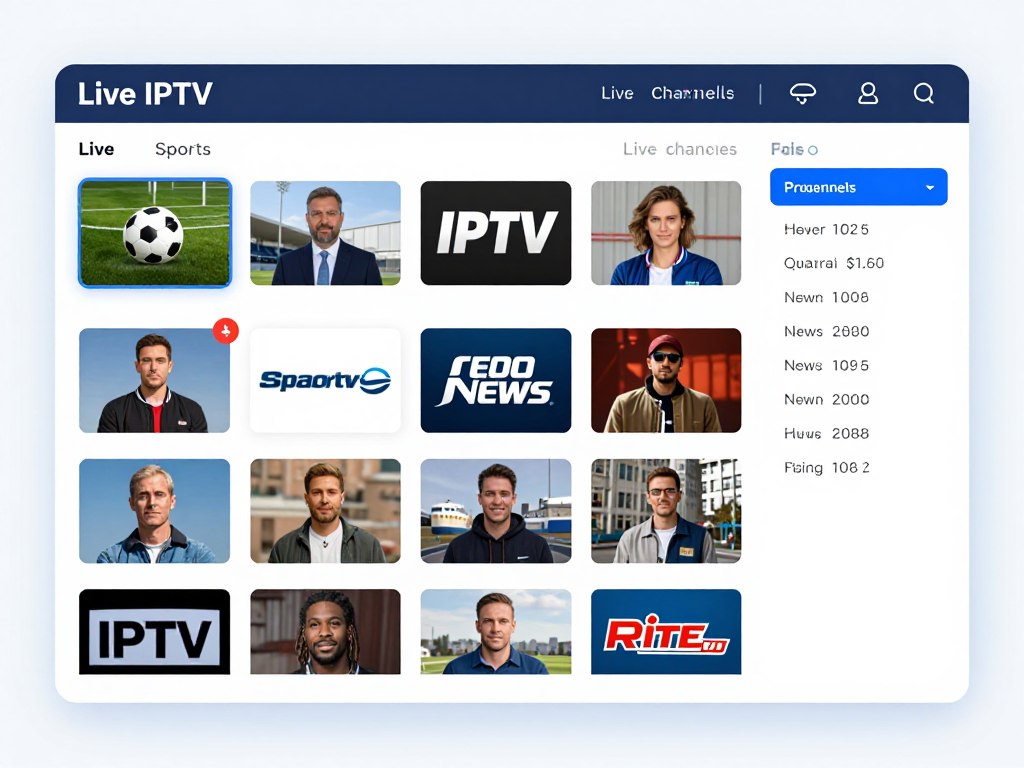
Real-time streaming of television broadcasts including sports events, news coverage, and live entertainment programming. Mirrors traditional TV viewing experience with internet delivery.
- Watch live sports channels and major events
- Access news networks in real-time
- View scheduled programming as it airs
- Join live entertainment broadcasts
Video on Demand
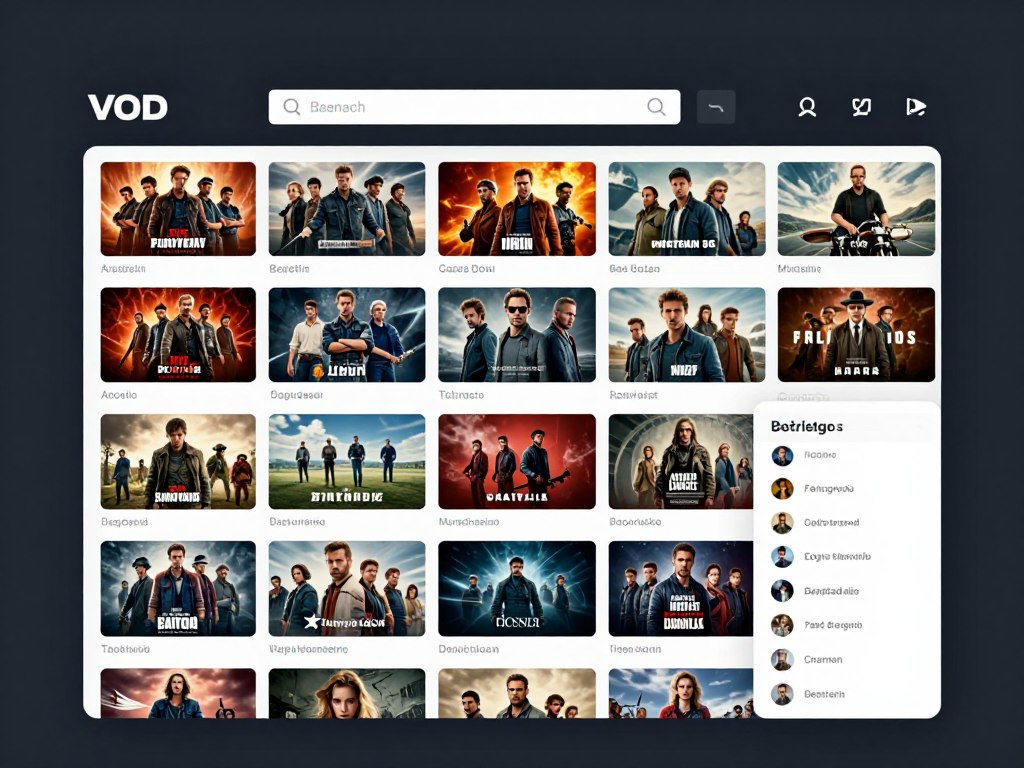
Extensive content libraries offering movies, series, documentaries, and specialty programming available for viewing anytime. Complete control over viewing schedule and pacing.
- Browse thousands of movie titles
- Binge-watch complete series seasons
- Explore documentary collections
- Access specialized niche content
Time-Shifted TV
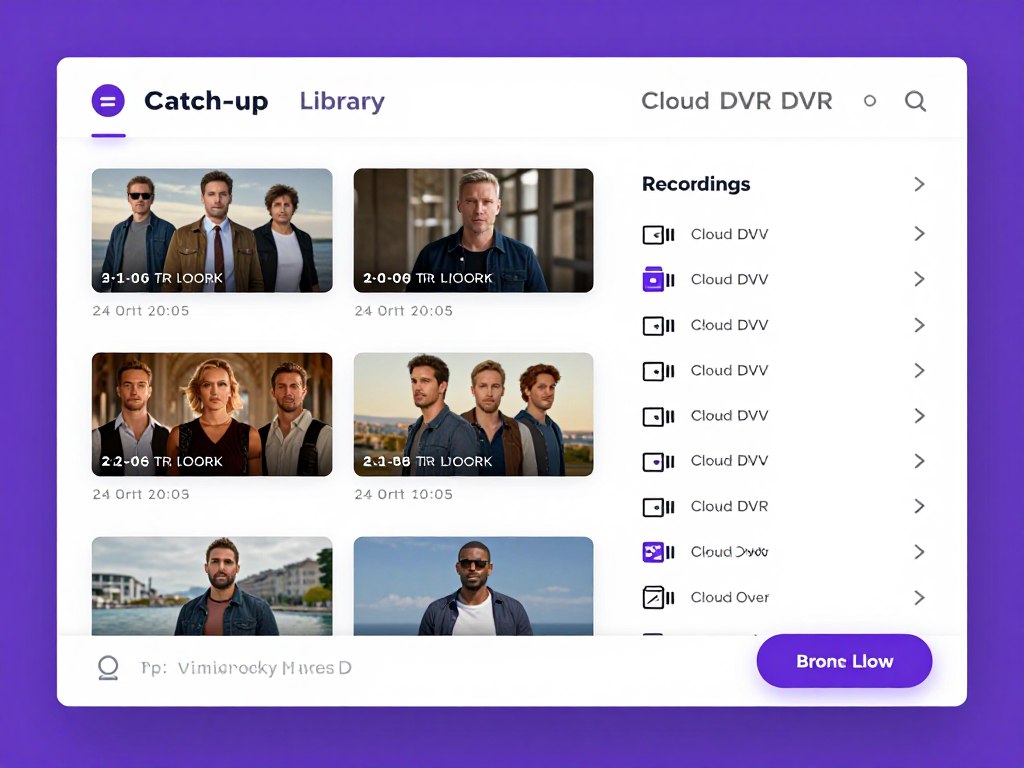
Combination of live and on-demand viewing through catch-up services and cloud recording. Watch scheduled programming on your timeline with start-over and DVR capabilities.
- Access catch-up libraries of recent shows
- Start live programs from beginning
- Record content to cloud storage
- Build personal content libraries
Subscription Models and Package Structures
Service providers offer diverse subscription models. Basic packages typically include live channels and limited on-demand content. Standard tiers expand channel counts and library access. Premium subscriptions unlock complete catalogs, 4K streaming, and multiple simultaneous streams.
Specialized packages target specific interests. Sports packages bundle major sports channels, regional networks, and international competitions. Entertainment packages focus on movies, series, and lifestyle content. News packages aggregate global networks and specialized coverage. Family packages emphasize children’s programming and parental controls.
Add-on options enable customization. Purchase individual premium channels à la carte. Add extra simultaneous streams for larger households. Upgrade video quality to 4K resolution. Expand cloud storage capacity for more recordings. These options let you build subscriptions matching exact requirements.
Free trial periods reduce subscription risk. Most providers offer trials ranging from three days to three months. Some require payment information upfront but don’t charge during trial periods. Others provide completely free access without any payment details. These trials let you evaluate service quality, content selection, and device compatibility before financial commitment.
Find Your Ideal IPTV Service Type
Whether you prioritize live sports channels, extensive movie libraries, or flexible time-shifted viewing, there’s an IPTV service designed for your preferences. Explore options with generous free trial periods to discover your perfect match.
Essential Features to Look for in IPTV Service
Selecting the right provider requires careful evaluation of key features. Not all services offer identical capabilities. Understanding which features matter most for your viewing habits ensures satisfaction with your choice.
Prioritize features based on your household’s specific needs. Large families require different capabilities than individual viewers. Sports enthusiasts seek different features than movie lovers. This section identifies critical features worth considering.
Channel Selection and Content Quality
Channel quantity alone doesn’t determine value. Evaluate whether providers include channels you actually watch. Services advertising thousands of channels may pad numbers with obscure or foreign language content you’ll never access.
Sports coverage deserves special attention for fans. Verify inclusion of major sports networks. Check for regional sports channels covering local teams. Confirm access to pay-per-view events and specialty sports. International sports fans should verify coverage of leagues and competitions from their regions of interest.
Entertainment channel variety affects daily viewing satisfaction. Ensure providers carry preferred networks for series, movies, and general programming. Check for premium channel availability. Verify content library size for on-demand viewing. Quality matters more than quantity when channels align with your preferences.
News coverage breadth impacts information access. Local news channels connect you to community events. National networks provide broader coverage. International channels offer global perspectives. Specialized news networks serve specific interests from business to weather to investigative journalism.
Streaming Quality and Technical Performance
Video resolution directly impacts viewing experience. Standard definition suffices for smaller screens but disappoints on large televisions. High definition represents the current standard for quality viewing. 4K resolution delivers exceptional clarity for premium content and compatible displays.
Streaming stability prevents frustrating interruptions. Reliable services maintain consistent connections with minimal buffering. Adaptive bitrate streaming adjusts quality to available bandwidth, preventing playback issues during network congestion. Server capacity affects stream reliability during peak viewing hours.
Audio quality enhances immersion. Stereo sound serves basic needs. Surround sound creates theater-like experiences for movies and sports. Some premium services offer Dolby Atmos for compatible home theater systems. Audio clarity and channel separation contribute to overall production quality.
Low latency matters for live events. Excessive delays spoil real-time experiences, particularly for sports where you might receive score updates before seeing goals. Quality providers minimize lag to near-broadcast levels. This synchronization maintains the excitement of live viewing.
Device Compatibility and User Experience
Multi-device support enables flexible viewing. Verify compatibility with your existing devices before subscribing. Services should support smart televisions, streaming devices, computers, tablets, and smartphones. Cross-platform availability ensures access regardless of your device preference.
Simultaneous stream limits affect household satisfaction. Single-stream services frustrate families. Two or three concurrent streams accommodate most households. Larger families or shared accounts may require five or more simultaneous connections. Unlimited streams eliminate conflicts entirely.
User interface quality impacts daily usability. Intuitive navigation helps discover content quickly. Well-designed electronic program guides simplify scheduling. Efficient search functionality locates specific programs instantly. Personalization features learn preferences and suggest relevant content.
App availability and quality varies across platforms. Native applications for smart TV operating systems provide optimal integration. Dedicated apps for streaming devices offer consistent experiences. Mobile apps should support both streaming and remote control functionality.
Recording and Storage Capabilities
Cloud DVR functionality adds significant value. Recording capabilities let you capture live programming for later viewing. Storage limits vary widely between providers. Some offer minimal space, others provide hundreds of hours. Unlimited storage eliminates capacity concerns entirely.
Recording flexibility affects usability. Series recording automatically captures all episodes. Manual scheduling handles one-time events. Conflict resolution manages simultaneous recordings. Retention periods determine how long recordings remain accessible before automatic deletion.
Playback controls enhance recorded content viewing. Fast-forward and rewind functionality speeds through content. Chapter markers help navigate longer programs. Resume functionality remembers playback positions across devices. Download options enable offline viewing during travel.
Customer Support and Service Reliability
Technical support availability matters when issues arise. Twenty-four-hour support ensures assistance regardless of when problems occur. Multiple contact channels including live chat, email, and phone provide options for different situations. Response times affect how quickly issues resolve.
Service uptime reflects provider reliability. Frequent outages disrupt viewing and indicate infrastructure problems. Quality providers maintain high availability with redundant systems. Scheduled maintenance should occur during low-traffic periods with advance notice.
Documentation and resources help resolve common issues independently. Knowledge bases answer frequent questions. Setup guides assist with initial configuration. Troubleshooting articles address common problems. Video tutorials demonstrate device setup and feature usage.
| Feature Category | Essential Level | Standard Level | Premium Level |
| Channel Count | 500+ channels | 1,000+ channels | 5,000+ channels |
| Video Quality | HD streams | Full HD streams | 4K streams available |
| Simultaneous Streams | 1-2 devices | 3-4 devices | 5+ or unlimited |
| Cloud DVR Storage | 50 hours | 200 hours | Unlimited storage |
| Free Trial Duration | 3-7 days | 1 month | 3 months |
| Sports Coverage | Major networks | Major + regional | Comprehensive + PPV |
| Customer Support | Email support | Live chat + email | 24/7 phone + chat |
| VOD Library Size | 5,000+ titles | 15,000+ titles | 50,000+ titles |
How to Choose the Right IPTV Service Provider
Provider selection determines your long-term satisfaction with Internet Protocol Television. The market contains numerous options ranging from budget services to premium platforms. Making informed choices requires systematic evaluation of multiple factors.
Your unique viewing preferences should guide decision-making. What works perfectly for one household may disappoint another. This section provides a framework for evaluating providers against your specific requirements.
Assessing Your Viewing Needs and Priorities
Begin by cataloging your current viewing habits. Which channels do you watch regularly? How many hours of television do you consume weekly? Which programs are absolute necessities versus occasional interests? This self-assessment reveals your core requirements.
Sports viewing demands careful provider evaluation. List specific sports you follow. Identify leagues and competitions you never miss. Determine whether you need regional sports networks for local teams. Consider whether pay-per-view access matters for special events. Sports enthusiasts often prioritize different features than general entertainment viewers.
Family dynamics affect service requirements. Multiple viewers with diverse interests need extensive channel variety. Children in the household require parental controls and age-appropriate content. Teenagers may demand on-demand libraries for binge-watching. Adults might prioritize news coverage and premium entertainment channels.
International content needs influence provider selection. Expatriates often seek channels from home countries. Language learners benefit from authentic programming. Cultural enthusiasts explore global entertainment. Verify that providers offer sufficient content in required languages and regions.
Evaluating Provider Reputation and Legitimacy
Provider legitimacy separates quality services from problematic options. Established providers maintain proper licensing agreements with content owners. They operate transparently with clear terms of service. Legitimate businesses provide verifiable contact information and customer support channels.
Customer reviews reveal service quality beyond marketing claims. Read experiences from actual subscribers. Look for patterns in feedback regarding stream reliability, customer service responsiveness, and overall satisfaction. Be wary of exclusively positive or negative reviews, which may indicate manipulation.
Service longevity indicates stability. Providers operating for several years demonstrate sustainable business models. New services may offer aggressive pricing but carry higher risk of discontinuation. Balance potential savings against reliability concerns when considering newer providers.
Payment security protects financial information. Reputable providers use secure payment processing. They clearly display accepted payment methods. Transparent billing practices prevent unexpected charges. Avoid services requesting unusual payment methods or lacking standard security measures.
Comparing Pricing and Subscription Terms
Pricing structures vary significantly across providers. Monthly subscriptions offer flexibility without long-term commitment. Quarterly plans often provide modest discounts. Annual subscriptions typically deliver substantial savings but require larger upfront payment and extended commitment.
Hidden costs can inflate apparent bargains. Some advertised prices exclude taxes and fees. Others require separate payments for DVR functionality or premium channels. Equipment rental charges may apply. Calculate total monthly costs including all fees for accurate comparisons.
Free trial availability reduces decision risk. Trials let you evaluate service quality, content selection, and technical performance before payment. Some providers offer short three-day trials. Others provide generous multi-month free access. Take advantage of these opportunities to test services thoroughly.
Cancellation policies affect commitment risk. Month-to-month services allow cancellation anytime without penalties. Some providers require 30-day notice. Annual contracts may impose early termination fees. Understand cancellation terms before subscribing to avoid unwanted obligations.
Budget-Conscious Viewer
- Prioritize low monthly price
- Essential channel lineup sufficient
- Single stream acceptable
- Basic HD quality adequate
- Limited DVR storage okay
Recommended: Basic tier subscriptions with core channels and standard features. Look for providers offering free trial periods to test service quality before committing.
Sports Enthusiast
- Comprehensive sports channel coverage required
- Regional networks for local teams
- PPV access for major events essential
- Cloud DVR for recording games
- Multiple streams for simultaneous games
Recommended: Premium sports packages with extensive coverage of major and regional networks. Verify PPV availability and recording capabilities for never missing key moments.
Family Entertainment
- Wide variety of entertainment channels
- Strong children’s programming catalog
- Multiple simultaneous streams necessary
- Parental controls important
- Extensive on-demand library valued
Recommended: Mid-tier to premium packages offering diverse content across all genres. Prioritize services with robust parental controls and generous simultaneous stream allowances.
Testing Service Quality During Trial Periods
Free trials provide invaluable evaluation opportunities. Approach trial periods systematically to assess all critical aspects. Your testing should reveal whether the service meets your requirements before financial commitment.
Stream quality testing identifies technical performance. Watch during peak evening hours when network congestion occurs. Verify video resolution matches advertised quality. Test on all devices you plan to use. Check for buffering, pixelation, or connection drops. Streaming should remain smooth and consistent.
Channel verification ensures advertised content availability. Confirm all channels listed in your package actually function. Test sports channels during live events. Verify news network accessibility. Check that premium channels included in your tier work properly. Missing or non-functional channels indicate potential problems.
Feature functionality deserves thorough examination. Test DVR recording on multiple programs. Verify simultaneous streaming across advertised number of devices. Try catch-up services for time-shifted viewing. Explore the on-demand library. Ensure all promised features work as described.
Customer support responsiveness reveals service commitment. Contact support with a test question. Evaluate response time and helpfulness. Try different contact methods if available. Support quality during trials usually reflects ongoing service levels.
Get Personalized IPTV Recommendations
Answer a few quick questions about your viewing preferences, household size, and budget. Receive customized provider recommendations matched to your specific needs. Start comparing top services offering free trial periods.
Setting Up Your IPTV Service for Optimal Performance
Proper setup ensures you extract maximum value from your subscription. Configuration affects streaming quality, reliability, and overall user experience. Following best practices during initial setup prevents common problems and optimizes performance.
Technical setup varies based on your chosen devices and network infrastructure. However, core principles apply universally. This section guides you through essential setup steps regardless of your specific hardware.
Network Requirements and Optimization
Internet connection speed forms the foundation of quality streaming. Standard definition content requires approximately 3-4 Mbps per stream. High definition demands 5-8 Mbps. Full HD needs 10-15 Mbps. 4K streaming requires 25-35 Mbps per simultaneous stream. Calculate total bandwidth by multiplying per-stream requirements by concurrent viewers.
Connection type impacts reliability and performance. Fiber optic connections provide superior speed and stability. Cable internet offers good performance for most households. DSL may suffice for single streams but struggles with multiple simultaneous streams. Satellite internet’s high latency creates buffering issues for live content.
Wired connections deliver better performance than wireless. Ethernet cables eliminate WiFi interference and signal degradation. Connect primary viewing devices directly to routers when possible. This ensures maximum available bandwidth reaches streaming devices without wireless obstacles.
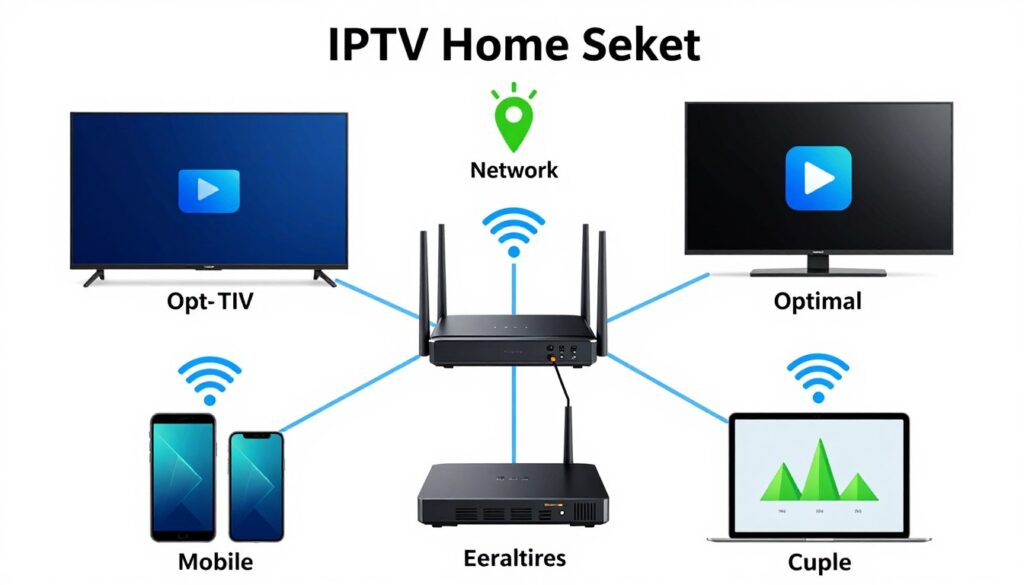
Router quality affects whole-house streaming performance. Older routers may lack sufficient processing power or WiFi standards. Modern routers supporting WiFi 6 provide better multi-device performance. Quality of Service settings prioritize streaming traffic over other internet usage. Dual-band routers reduce congestion through 5GHz frequencies.
Device Selection and Installation
Smart television apps offer convenient built-in access. Most modern televisions include app stores with IPTV applications. Installation involves downloading your provider’s app and logging in with subscription credentials. Native apps optimize performance for specific television models.
Dedicated streaming devices provide universal compatibility. Devices like Amazon Fire TV, Roku, Apple TV, or Android TV boxes support virtually all services. These devices connect via HDMI to any television. They offer consistent performance regardless of television age or capabilities. Regular software updates maintain security and feature compatibility.
Computer access enables flexible viewing. Web-based interfaces work through standard browsers without software installation. Dedicated desktop applications may offer enhanced features. Computers excel for multi-tasking scenarios like watching streams while working or browsing.
Mobile devices extend viewing beyond fixed locations. Smartphone and tablet apps enable viewing anywhere with internet connectivity. Download functionality on mobile apps supports offline viewing during travel. Mobile viewing typically consumes less bandwidth through automatically reduced resolution.
Application Configuration and Customization
Initial application setup requires account credentials and basic preferences. Enter your subscription username and password. Configure parental controls if children access the service. Set default video quality preferences balancing quality against bandwidth consumption.
Electronic program guide customization improves navigation. Hide channels you never watch to declutter listings. Favorite frequently viewed channels for quick access. Set default guide views to preferred time ranges. These adjustments streamline daily usage.
Recording preferences optimize DVR functionality. Set default recording quality and retention periods. Configure conflict resolution preferences for simultaneous programs. Enable series recording for favorite shows. Proper configuration ensures automatic capture of desired content.
Notification settings keep you informed without overwhelming. Enable alerts for favorite program availability. Set reminders for upcoming live events. Configure download completion notifications. Customize notification frequency and delivery methods to your preferences.
Pre-Installation Checklist
- Verify internet speed meets requirements
- Update router firmware to latest version
- Test current network stability
- Identify all devices needing access
- Gather subscription credentials
- Check device compatibility
- Prepare ethernet cables if using wired connections
- Clear space in entertainment center
- Ensure HDMI ports available
- Review provider setup documentation
Post-Installation Optimization
- Run speed tests on streaming devices
- Configure Quality of Service settings
- Test streams during peak hours
- Optimize WiFi channel selection
- Update streaming device software
- Configure favorite channels lists
- Set up parental controls
- Test recording functionality
- Verify simultaneous stream limits
- Customize app interface preferences
Troubleshooting Common Setup Issues
Buffering problems usually stem from insufficient bandwidth or network congestion. Test internet speed to verify you receive subscribed rates. Reduce video quality settings if speed falls short. Limit other internet activities during streaming. Consider upgrading internet service for consistent performance with multiple streams.
Connection failures often indicate network or authentication issues. Verify internet connectivity through other devices or websites. Confirm subscription remains active and payment current. Check for service outages through provider status pages. Restart streaming devices and routers to resolve temporary glitches.
Poor video quality despite adequate bandwidth suggests configuration problems. Ensure quality settings match your preferences rather than automatic reduction. Verify device capabilities support desired resolution. Check HDMI cables support required bandwidth for 4K content. Update device software to latest versions.
App crashes or freezing typically indicate software conflicts or insufficient device resources. Clear application cache to remove corrupted temporary files. Uninstall and reinstall apps experiencing persistent problems. Ensure devices have adequate free storage space. Factory reset devices as last resort for ongoing issues.
Tips for Getting the Best IPTV Service Experience
Optimizing your viewing experience extends beyond basic setup. Strategic approaches to content discovery, quality management, and feature utilization enhance satisfaction. Small adjustments often yield significant improvements in daily usage.
These tips come from experienced users and industry best practices. Implementing even a few suggestions can substantially improve your Internet Protocol Television experience.
Content Discovery and Organization Strategies
Overwhelming channel counts can paralyze decision-making. Create custom channel lists grouping content by category. Separate sports channels, news networks, entertainment, and specialty programming. These organized lists simplify navigation and reduce time spent browsing.
Leverage recommendation engines to discover new content. Services learn from viewing history and suggest relevant programming. Rate watched content to improve recommendation accuracy. Explore suggested titles regularly to find hidden gems matching your interests.
Electronic program guides extend beyond simple scheduling. Most guides allow filtering by genre, time, or channel. Use these filters to find specific content types. Bookmark programs for future viewing. Set reminders for upcoming premieres or live events.
Watchlists organize content you want to view later. Add interesting programs discovered while browsing. Queue series for binge-watching sessions. Track partially watched content across devices. Well-maintained watchlists ensure you never forget promising discoveries.
Quality and Performance Enhancement
Video quality settings balance clarity against bandwidth consumption. Auto-quality adapts to current connection speeds. Manual settings lock specific resolutions regardless of bandwidth fluctuations. Experiment with different settings to find optimal balance for your network conditions.
Cache management improves app performance over time. Applications store temporary data that accumulates. Periodic cache clearing removes outdated information and frees storage space. Most apps include cache management in settings menus. Monthly cleaning maintains optimal performance.
Network prioritization ensures streaming receives adequate bandwidth. Quality of Service router settings assign priority to streaming traffic. This prevents downloads or other activities from degrading stream quality. Configure QoS through router administration interfaces, assigning highest priority to streaming device IP addresses.
VPN usage may improve access and privacy. Virtual Private Networks encrypt your connection and mask your location. Some providers restrict content geographically. VPNs can bypass these restrictions. However, VPNs reduce effective bandwidth. Choose fast VPN services if using this approach.
Cost Management and Value Maximization
Subscription timing affects costs through promotional periods. Many providers offer discounted rates for new subscribers. Monitor your renewal date and explore competitive offers before auto-renewal. Switching providers during promotional periods can yield significant savings.
Package optimization prevents paying for unused features. Audit channel usage quarterly to identify rarely watched content. Downgrade to lower tiers if premium channels go unwatched. Upgrade selectively for specific events rather than maintaining year-round premium access.
Family account sharing spreads costs across multiple users. Many services support household sharing across numerous devices. Coordinate with family members to share single subscriptions legally. Verify provider terms allow intended sharing arrangements to avoid violations.
Annual billing typically offers substantial discounts over monthly payments. If satisfied with a service after trial periods, consider annual subscriptions. Calculate savings accounting for your commitment comfort level. Annual savings often exceed 20-30% compared to month-to-month billing.
How can I reduce buffering during live sports events?
Buffering during live sports typically results from bandwidth limitations or network congestion. Use wired Ethernet connections instead of WiFi for devices streaming sports. Close other applications consuming bandwidth during games. Reduce stream quality slightly below maximum if buffering persists. Consider upgrading internet speeds during peak sports seasons. Some providers offer sports-optimized streams with lower latency.
What should I do if my favorite channels are missing?
Missing channels may indicate package limitations or temporary outages. Verify the channels are included in your subscription tier. Check provider announcements for channel lineup changes. Contact customer support to report persistent missing channels. Some channels may be regional and unavailable in your location. Consider upgrading packages or switching providers if critical channels remain unavailable.
How do I watch IPTV service while traveling?
Mobile apps enable viewing during travel through smartphones and tablets. Download content before trips for offline viewing without internet dependency. Hotel WiFi typically supports streaming, though speeds vary. Mobile hotspots provide alternatives when WiFi is unavailable. Some international locations may restrict access due to geographic licensing. VPN services can sometimes bypass these restrictions, though this may violate terms of service.
Can I record multiple programs simultaneously?
Cloud DVR capabilities vary by provider and subscription tier. Most services support recording at least two programs concurrently. Premium packages often allow four or more simultaneous recordings. Check your specific plan’s recording limits in account settings. Conflicts arise when scheduled recordings exceed limits. Configure conflict resolution preferences to prioritize important programs automatically.
Why does stream quality vary throughout the day?
Quality fluctuations typically reflect network congestion patterns. Evening hours see peak internet usage, reducing available bandwidth. Adaptive streaming automatically adjusts quality to maintain playback during congestion. Internet service provider throttling may also affect streaming quality. Lock quality settings to specific resolutions if you prefer consistent quality over adaptive performance. Upgrading internet speeds provides headroom for consistent high quality regardless of congestion.
Advanced Features and Hidden Capabilities
Multi-view modes display several channels simultaneously. This feature particularly benefits sports fans watching multiple games. Configure custom layouts showing two, four, or more streams. Audio typically comes from one selected stream while others display video only.
Picture-in-picture enables multitasking while maintaining viewing. Primary content plays full-screen while a smaller window shows secondary streams. This works excellently for monitoring news during other programming. Mobile apps often support background audio, allowing listening while using other applications.
Closed captioning and subtitles serve multiple purposes beyond accessibility. Viewers can watch content in quiet environments without disturbing others. Language learners benefit from subtitles in target languages. Many services offer multiple language options for international content.
Integration with smart home systems creates automated viewing experiences. Voice assistants control playback through simple commands. Scheduled automations can launch favorite channels at specific times. Smart lighting synchronizes with content for immersive environments. These integrations require compatible ecosystems but significantly enhance convenience.
Pro Tip for Sports Fans
Create dedicated channel lists for each sport you follow. Include relevant sports channels, regional networks, and news channels covering your teams. This organization allows instant access to all relevant coverage without scrolling through thousands of channels. Update lists seasonally as different sports enter and exit active seasons.
Ready to Experience Premium IPTV Service?
Put these optimization tips into practice with a free trial from top-rated providers. Access thousands of live channels, extensive on-demand libraries, and advanced features including cloud DVR, multi-device streaming, and 4K quality. No commitments, no credit card required for trial periods up to three months.
Legal Considerations and Responsible IPTV Use
Understanding legal aspects of Internet Protocol Television protects you from potential issues. The technology itself is completely legal. However, content licensing and distribution create legal complexities. Informed users make choices that support legitimate content creators while enjoying quality entertainment.
Legal considerations affect provider selection and service usage. This knowledge helps identify legitimate services and avoid problematic options that could expose you to legal or security risks.
Identifying Legitimate IPTV Services
Legitimate providers maintain proper licensing agreements with content owners. They pay royalties to networks, studios, and broadcasters for distribution rights. These legal relationships ensure content creators receive fair compensation. Licensed services operate transparently with verifiable business information.
Pricing often indicates legitimacy. Services offering thousands of premium channels for unrealistically low prices likely lack proper licensing. Content acquisition costs billions annually. Legitimate providers charge rates reflecting these expenses. Suspiciously cheap services usually operate illegally, distributing pirated content.
Provider transparency distinguishes legal operations from questionable services. Legitimate businesses display clear terms of service, privacy policies, and contact information. They accept standard payment methods and provide receipts. Customer support operates through professional channels. Lack of transparency suggests problematic business practices.
Content availability patterns reveal licensing status. Legal services may lack certain channels due to licensing restrictions. They honor geographic content limitations imposed by rights holders. Illegal services often advertise unrestricted global access to all content, which indicates unauthorized distribution.
Understanding Content Licensing and Copyright
Content rights create complex licensing arrangements. Broadcasters purchase distribution rights from content creators. These rights often include geographic restrictions and platform limitations. Licensed IPTV providers negotiate secondary distribution rights from broadcasters or directly from content owners.
Geographic restrictions serve legitimate licensing purposes. Content rights are typically sold by region or country. A provider licensed for distribution in one country may lack rights in another. VPN usage to circumvent these restrictions may violate terms of service, though legal consequences for individual users remain unclear.
Sports broadcasting rights carry particularly complex restrictions. Leagues and organizations sell rights to different broadcasters by region. Local blackouts protect ticket sales and regional broadcaster exclusivity. These restrictions reflect contractual obligations rather than arbitrary limitations.
Time-shifting and recording capabilities involve separate rights. Broadcasting rights don’t automatically include recording permissions. Legal services ensuring DVR functionality have negotiated appropriate licensing. Unauthorized recording of licensed streams may violate terms of service even when viewing is permitted.
Privacy and Data Security Considerations
Reputable providers protect subscriber privacy and data. They use encryption for account information and payment details. Privacy policies clearly explain data collection and usage. Marketing communications allow opt-out. These practices reflect respect for customer privacy and legal compliance with data protection regulations.
Suspicious services may compromise your security. Malware distribution occasionally occurs through unofficial apps. Credential theft targets payment information. Some services sell viewing data to third parties without disclosure. Stick with established providers using verified apps through official channels.
Payment security requires attention during subscription. Use credit cards offering fraud protection rather than direct bank transfers. Avoid providers requesting cryptocurrency or unusual payment methods. Check for secure connections (HTTPS) before entering payment information. Monitor accounts for unauthorized charges after subscribing.
Personal information minimization reduces risk exposure. Provide only required information during registration. Avoid services demanding excessive personal details. Use unique passwords for streaming accounts separate from other services. Enable two-factor authentication when available for account protection.
Important Security Notice: Never download IPTV applications from unofficial sources or unknown websites. Stick to official app stores (Apple App Store, Google Play Store, Amazon Appstore) or provider websites with verified SSL certificates. Unofficial apps may contain malware compromising device security and personal information.
Responsible Usage and Ethical Considerations
Supporting legitimate services sustains content creation industries. Your subscription fees fund new programming, sports coverage, and entertainment production. Choosing licensed providers ensures money reaches content creators. This economic support enables continued investment in quality programming.
Account sharing policies vary between providers. Household sharing typically receives explicit permission. Commercial account sharing violates most terms of service. Password sharing beyond intended users constitutes unauthorized access. Review specific provider policies regarding sharing to ensure compliance.
Bandwidth consumption affects shared internet infrastructure. Streaming generates substantial data traffic, particularly with multiple simultaneous streams or 4K content. Consider community impact when consuming large bandwidth amounts. Internet service provider caps may apply overage charges for excessive usage.
Service cancellation etiquette matters for provider relationships. Follow proper cancellation procedures rather than disputing charges. Provide feedback explaining cancellation reasons. This helps providers improve services. Maintain account security even after cancellation to prevent unauthorized access attempts.
Future Trends in IPTV Service Technology
The television industry continues rapid evolution. Technological advances reshape viewing experiences regularly. Understanding emerging trends helps you anticipate coming changes and make forward-looking decisions when selecting services and equipment.
These trends indicate where the industry is heading over the next several years. Early adoption of new capabilities can enhance your viewing experience while future-proofing your entertainment investment.
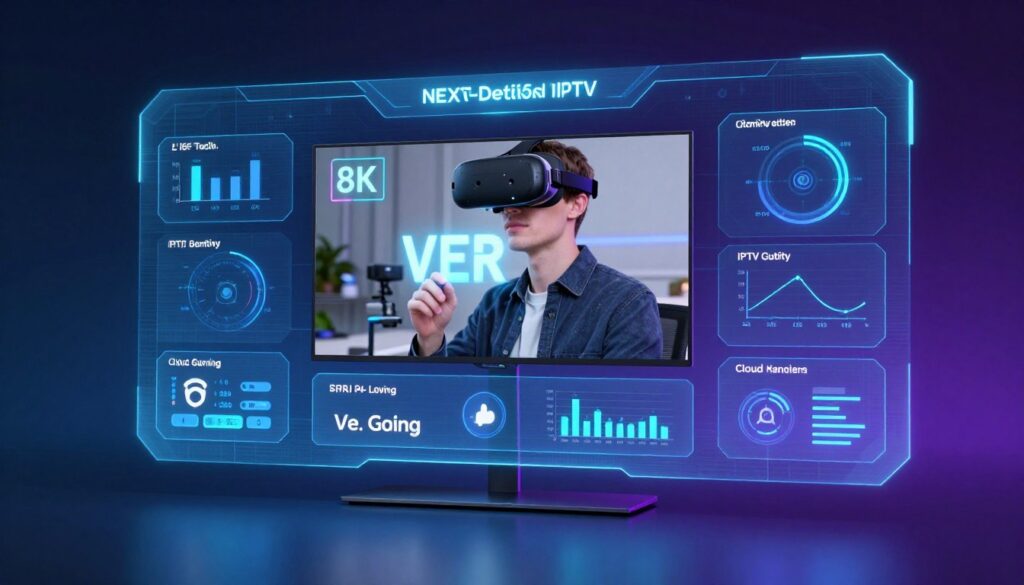
Enhanced Resolution and Quality Standards
8K resolution emerges as the next quality frontier. While 4K content remains limited, early 8K streams are appearing. Television manufacturers already sell 8K displays. Content production increasingly occurs in higher resolutions for future-proofing. Expect gradual 8K adoption over coming years as display prices decrease.
High Dynamic Range improvements enhance visual quality beyond resolution. HDR10+ and Dolby Vision deliver superior color accuracy and contrast. More content producers master content in HDR formats. These technologies create more significant visual improvements than resolution increases for many viewers.
Frame rate enhancements improve motion clarity, particularly for sports. Traditional 30 and 60 frames per second content gives way to higher rates. 120fps streams reduce motion blur during fast action. Sports broadcasts increasingly adopt higher frame rates for superior viewing experiences.
Compression technology advances maintain quality while reducing bandwidth. New codecs like AV1 deliver equivalent quality at half the bandwidth of previous standards. This efficiency enables higher quality streaming over existing internet connections. Widespread adoption awaits device compatibility improvements.
Artificial Intelligence and Personalization
AI-powered recommendations become increasingly sophisticated. Machine learning algorithms analyze viewing patterns, time preferences, and content characteristics. Recommendations evolve beyond simple genre matching to nuanced understanding of individual tastes. These systems discover content you might never find through manual browsing.
Automated content curation creates personalized channels. AI assembles custom programming blocks matching your interests. These virtual channels provide curated experiences without active content selection. The technology learns from your feedback, improving suggestions over time.
Voice control integration simplifies navigation and discovery. Natural language processing understands complex requests. Ask for “exciting science fiction movies from the 1980s” and receive appropriate suggestions. Voice interfaces reduce typing on difficult remote controls, particularly on mobile devices.
Predictive recording anticipates content you’ll want to save. Systems analyze viewing patterns and automatically record potentially interesting programs. You discover suggested recordings in your library. This proactive approach ensures you never miss relevant content without manual scheduling.
Interactive and Immersive Experiences
Virtual reality integration creates immersive viewing environments. VR headsets transport you to virtual theaters or sports venues. Watch content on massive virtual screens or experience 360-degree broadcasts. While currently niche, VR viewing will grow as headset adoption increases and comfort improves.
Augmented reality overlays enhance traditional viewing. AR displays additional information about programs, actors, or products shown on screen. Sports broadcasts could display player statistics, ball tracking, or tactical analysis through AR layers. Interactive shopping might let you purchase items seen in programs.
Choose-your-own-adventure content enables viewer participation. Interactive storytelling lets you make decisions affecting plot progression. Multiple story paths create unique experiences for each viewer. This format bridges traditional television and gaming, creating new entertainment categories.
Social viewing features connect geographically separated viewers. Watch parties synchronize playback across locations with integrated chat. Shared reactions and commentary recreate communal viewing experiences. These social features particularly appeal to younger demographics accustomed to connected experiences.
- 4K resolution standard
- HDR available on premium content
- Basic recommendation algorithms
- Manual content discovery
- Traditional 2D viewing
- Individual viewing experiences
- Linear and on-demand content
- Remote control navigation
Current Technology
- 8K resolution content arriving
- Advanced HDR formats expanding
- AI-powered personalization
- Predictive content curation
- VR and AR viewing options
- Synchronized social viewing
- Interactive storytelling formats
- Voice and gesture control
Emerging Capabilities
Cloud Gaming and Service Convergence
Cloud gaming integration merges entertainment services. Some providers already bundle gaming with video streaming. This convergence creates comprehensive entertainment platforms. Subscribers access movies, television, and games through single subscriptions and interfaces.
5G networks enable new mobile streaming capabilities. Higher speeds and lower latency support quality streaming anywhere. Mobile viewing experiences will match home quality. Live event streaming becomes viable outdoors at full resolution without buffering.
Edge computing reduces latency and improves reliability. Content caches closer to viewers decrease loading times. Distributed infrastructure increases resilience against outages. These technical improvements create more responsive, reliable streaming experiences.
Blockchain technology may revolutionize content licensing and micropayments. Smart contracts could automate royalty distribution. Viewers might pay per program rather than monthly subscriptions. Content creators could distribute directly to consumers. These changes could fundamentally reshape industry economics.
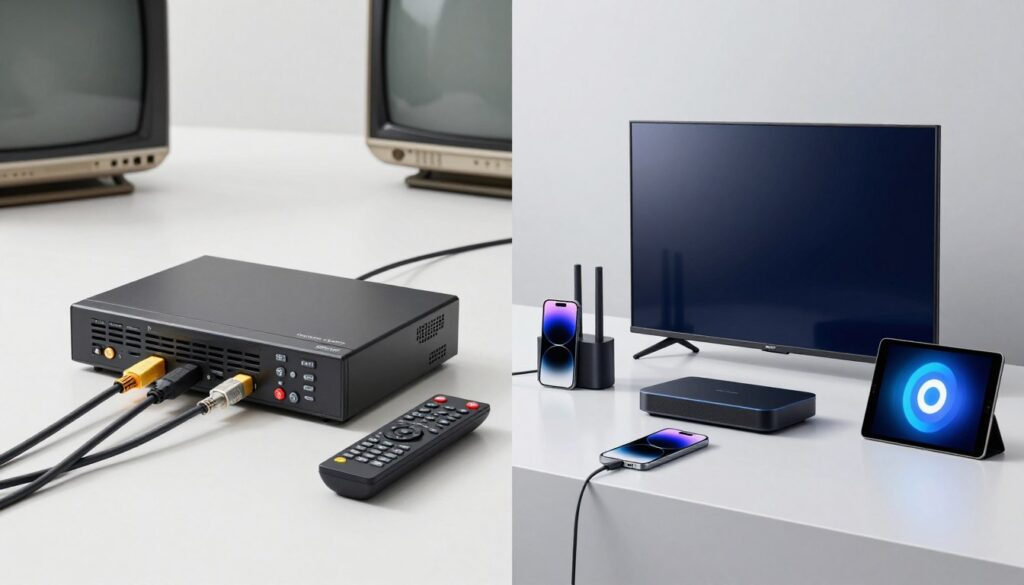
IPTV Service vs Traditional Cable and Satellite Television
Choosing between Internet Protocol Television and traditional services requires understanding fundamental differences. Each approach offers distinct advantages and limitations. Your priorities determine which delivery method best serves your needs.
This comparison helps you evaluate whether switching from traditional television makes sense for your situation. Consider both current circumstances and likely future developments.
Cost and Value Comparison
Traditional cable and satellite services typically cost substantially more monthly. Average cable bills exceed $100 monthly for comprehensive channel packages. Equipment rental fees add $10-20 monthly. Taxes and surcharges inflate bills further. Total costs often approach $150 monthly for premium service.
Internet Protocol Television subscriptions cost significantly less for comparable or superior content. Many quality services range from $20-60 monthly. Premium options rarely exceed $80. No equipment rental fees apply when using existing devices. Total costs typically run 40-60% less than comparable cable packages.
Installation costs differ dramatically. Cable requires professional installation appointments and potential wall drilling. Initial setup fees commonly reach $100-200. Satellite installation involves roof-mounted equipment and similar setup charges. These upfront costs delay service activation and add expense.
IPTV installation requires no professional help or fees. Download an app or configure a device yourself. Setup takes minutes rather than days. No drilling, wiring, or equipment installation necessary. You can start watching immediately after subscribing during free trial periods.
Channel Selection and Content Availability
Cable packages bundle channels into tiers. Basic packages include limited channels, forcing upgrades for specific networks. You pay for hundreds of channels to access a few desired options. À la carte selection rarely exists. This bundling approach inflates costs for most viewers.
IPTV services offer more flexible packaging. Some providers offer comprehensive channel access at single prices. Others enable targeted packages for sports, entertainment, or international content. You select only categories matching your interests. This flexibility reduces spending on unwanted channels.
International content availability favors Internet Protocol Television. Cable companies carry limited international channels requiring expensive add-on packages. IPTV services commonly include hundreds of international channels in base subscriptions. Language diversity far exceeds cable offerings. Expatriates and language learners find superior options through streaming.
Local channels present cable’s main advantage. Cable systems carry local broadcast networks without issues. IPTV services sometimes struggle with local content due to licensing complexities. However, this gap narrows as more services negotiate local broadcasting agreements. Antenna combination provides local channels for IPTV users.
Flexibility and Viewing Experience
Traditional television ties you to specific locations. Cable boxes work only where installed. Satellite dishes require fixed positions. Watching television in bedrooms requires additional boxes and monthly fees. Moving services to new homes involves installation appointments and fees.
Streaming services work anywhere with internet connectivity. Watch at home, work, or while traveling. No geographic restrictions within subscription regions. One subscription serves unlimited devices in multiple rooms. Move services to new addresses by simply connecting to new internet providers.
Recording capabilities differ significantly. Cable DVRs store recordings on physical hardware with limited capacity. Storage upgrades cost extra monthly. Equipment failure destroys recordings. You cannot access recordings outside your home network.
Cloud DVR provides unlimited or extensive storage. Recordings live on provider servers, safe from equipment failures. Access recordings from any device anywhere. Most services include DVR functionality without additional fees. This cloud approach offers superior convenience and reliability.
| Comparison Factor | Traditional Cable/Satellite | IPTV Service | Winner |
| Monthly Cost | $100-150+ with fees | $20-80 typical range | IPTV |
| Installation | Professional required, $100-200 | Self-install, free | IPTV |
| Channel Count | 100-300 typical | 1,000-10,000+ available | IPTV |
| Local Channels | Included standard | Sometimes limited | Cable/Satellite |
| International Content | Limited, expensive add-ons | Extensive, often included | IPTV |
| Device Flexibility | Fixed boxes, extra fees | Any device, unlimited | IPTV |
| Recording Storage | Limited physical DVR | Cloud, often unlimited | IPTV |
| Contracts | Often 1-2 years required | Usually month-to-month | IPTV |
| Picture Quality | HD standard, limited 4K | HD to 4K common | IPTV |
| Reliability | Very stable | Depends on internet | Cable/Satellite |
| Weather Impact | Satellite affected | Internet usually stable | IPTV |
| Free Trial | Rarely available | Common, 3 days to 3 months | IPTV |
Technical Reliability and Performance
Cable television delivers consistent reliability. Dedicated infrastructure experiences few interruptions. Weather rarely affects performance. Picture quality remains constant regardless of neighborhood usage. This reliability appeals to viewers prioritizing consistent performance above all else.
IPTV performance depends on internet connection quality. Streaming requires adequate bandwidth from internet service providers. Network congestion during peak hours may reduce quality. Internet outages completely interrupt service. These dependencies create variable performance for some users.
Satellite television suffers weather-related interruptions. Heavy rain or snow blocks satellite signals, causing temporary outages. Regional weather patterns affect reliability. However, clear weather provides excellent performance. Most users experience acceptable reliability despite occasional weather interruptions.
Modern internet infrastructure increasingly rivals cable reliability. Fiber optic connections deliver exceptional stability. Cable internet performs well for most users. 5G networks promise improved mobile reliability. As internet infrastructure improves, IPTV reliability concerns diminish steadily.
Make the Switch to Modern Television
Discover why millions are cutting traditional cable for IPTV service. Enjoy lower costs, more channels, and superior flexibility. Start with a risk-free trial to experience the difference yourself. Compare leading providers offering generous free trial periods up to three months with no credit card required.
Making Your IPTV Service Decision
Internet Protocol Television represents a significant advancement in content delivery technology. The service offers compelling advantages over traditional cable and satellite options. Lower costs, superior flexibility, and extensive content libraries attract millions of subscribers worldwide.
Understanding how this technology works empowers informed decisions. You now know the fundamental differences between live streaming, video on demand, and time-shifted viewing. You recognize the features that matter most for your viewing preferences. You can identify legitimate providers and avoid problematic services.

The selection process requires evaluating your specific needs against provider offerings. Sports enthusiasts prioritize comprehensive sports channel coverage and PPV access. Families need diverse entertainment content with parental controls and multiple simultaneous streams. Budget-conscious viewers seek maximum value without sacrificing essential features.
Free trial periods eliminate decision risk. Testing services before financial commitment reveals whether specific providers meet your requirements. Evaluate streaming quality, channel availability, and user interface during trials. Compare multiple services to identify the best match for your household.
Setup and optimization ensure you extract maximum value from subscriptions. Proper network configuration prevents buffering and quality issues. Device selection affects convenience and compatibility. Feature utilization including DVR, watchlists, and personalization enhances daily viewing experiences.
Legal and ethical considerations matter for responsible service use. Choosing licensed providers supports content creators and ensures service sustainability. Understanding privacy practices protects your personal information. Following provider terms of service maintains access and avoids account issues.
The television industry continues evolving rapidly. Emerging technologies promise even better experiences in coming years. Enhanced resolution, artificial intelligence, and interactive features will transform viewing. Early adoption of quality IPTV services positions you for these future developments.
Traditional cable and satellite services face declining relevance. Their rigid structures and high costs increasingly fail to meet modern viewer expectations. Internet Protocol Television offers superior flexibility and value while delivering comparable or better content access.
Your decision ultimately depends on individual priorities and circumstances. Evaluate your viewing habits honestly. Consider household size and device needs. Assess your internet infrastructure. Balance costs against desired features. These factors guide you toward the optimal choice for your situation.
The transition from traditional television to streaming represents more than technology change. It shifts control from broadcasters to viewers. You choose what to watch, when to watch it, and how much to pay. This empowerment fundamentally improves the television viewing experience.
Taking action starts with research and trials. Explore provider options offering content matching your interests. Sign up for free trial periods with promising services. Test performance during typical viewing patterns. Make informed decisions based on firsthand experience rather than marketing claims alone.
The future of television viewing is clearly streaming-based. Internet Protocol Television provides the foundation for this future. Adopting this technology now delivers immediate benefits while preparing for coming innovations. You gain cost savings, content variety, and viewing flexibility unavailable through traditional services.
Whether you seek live sports channels, extensive entertainment libraries, or international programming, IPTV services deliver. The technology has matured beyond early limitations. Modern services offer reliability approaching traditional television with far superior flexibility and value. The time to explore this option is now.
Begin Your IPTV Journey Today
You now have the knowledge to make confident decisions about IPTV service. Take the next step by exploring top-rated providers offering generous free trial periods. Experience thousands of live channels, extensive on-demand content, and advanced features risk-free. No credit card required to start your trial. Discover why IPTV represents the future of television viewing.