Cutting the cord has never been more appealing. Traditional cable bills continue climbing while streaming technology offers better flexibility and value. An IPTV service provider delivers television content through your internet connection rather than traditional broadcast methods. This shift represents a fundamental change in how millions of households consume entertainment.
The streaming landscape has evolved dramatically. Consumers now demand more control over their viewing experience. They want access to thousands of live channels without signing lengthy contracts or paying for content they never watch. IPTV technology makes this possible by transforming how television signals reach your screen.
This comprehensive guide explores everything you need to know about IPTV service providers. You will learn how the technology works, what features matter most, and how to select a reliable service. Whether you are a sports fan seeking live coverage or a family looking for diverse entertainment options, understanding IPTV services helps you make informed decisions about your viewing future.
What Is an IPTV Service Provider
An IPTV service provider delivers television programming through internet protocol networks instead of traditional terrestrial, satellite, or cable television formats. The service converts television signals into digital data packets that travel through your internet connection to your viewing device. This fundamental difference in delivery method creates numerous advantages for modern viewers.
Internet protocol television represents a technological leap forward. Traditional broadcast methods send signals to all subscribers simultaneously, whether they watch or not. IPTV providers stream content on demand, sending only the program you request at the moment you want to watch it. This efficiency reduces bandwidth requirements and gives you unprecedented control over your viewing experience.
The infrastructure behind IPTV services involves sophisticated content delivery networks. Providers maintain servers that store and distribute programming to subscribers worldwide. When you select a channel or show, the system retrieves that specific content and streams it directly to your device. The process happens almost instantaneously, creating a seamless viewing experience that rivals traditional television quality.
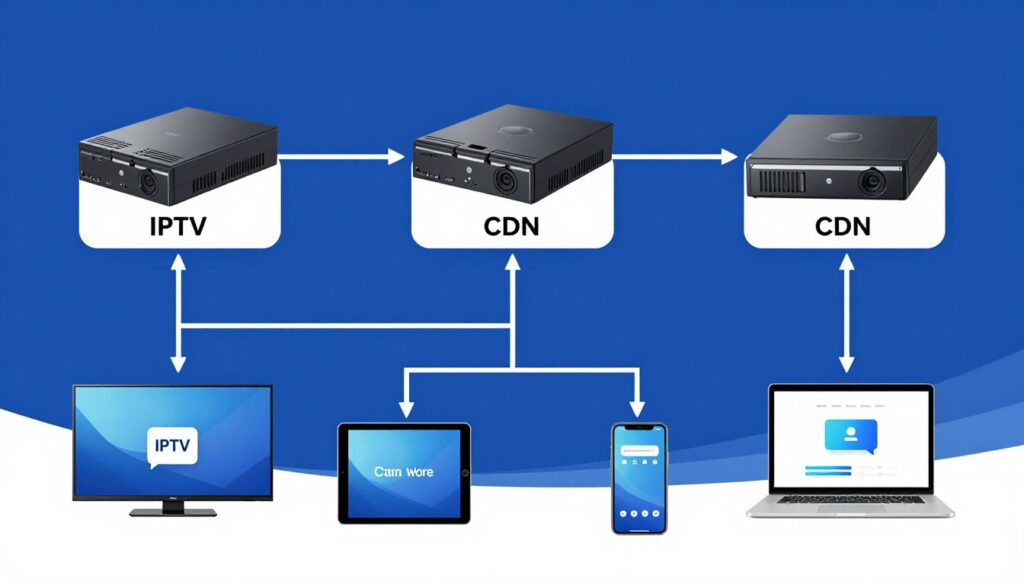
IPTV providers offer three primary service types. Live television streams broadcast channels in real-time, similar to traditional TV but delivered over the internet. Video on demand libraries let you choose from thousands of movies and shows to watch whenever convenient. Time-shifted media enables you to pause, rewind, or restart live programming, giving you DVR-like functionality without additional equipment.
The business models vary among providers. Some services offer subscription packages with monthly fees. Others provide pay-per-view options for special events. Many combine both approaches, giving you a base package with options to purchase premium content separately. Understanding these models helps you find a service that matches your budget and viewing habits.
Ready to Experience IPTV?
Top IPTV service providers offer free trials so you can test their service risk-free. Explore thousands of live channels, sports networks, and entertainment options before committing to a subscription.
How IPTV Technology Works
IPTV technology operates through a complex but elegant system that transforms traditional television signals into internet data. The process begins at the content source, where providers capture live broadcasts or store pre-recorded programming. Encoders convert these signals into digital formats optimized for internet streaming. The encoded content then moves to content delivery networks that distribute it efficiently to viewers worldwide.
Your internet connection serves as the highway for IPTV content. When you select a channel or program, your device sends a request to the provider’s servers. Those servers immediately begin streaming the requested content as a series of data packets. Your device receives these packets, reassembles them, and displays the video on your screen. This entire process typically takes just seconds.
The quality of your viewing experience depends heavily on your internet connection. IPTV services require consistent bandwidth to maintain picture quality without buffering. Standard definition content needs at least 3 Mbps, while high definition typically requires 5-8 Mbps. Ultra-high definition 4K streaming demands 25 Mbps or more. Most modern households have sufficient internet speeds, but connection stability matters as much as raw speed.
Traditional Cable TV
- Content broadcast to all subscribers simultaneously
- Requires physical cable infrastructure
- Limited channel selection based on package
- Fixed viewing schedule for most content
- Additional equipment rental fees
- Geographic restrictions on availability
IPTV Streaming
- Content streamed on demand to individual viewers
- Uses existing internet connection
- Access to thousands of channels worldwide
- Watch anything anytime with on-demand libraries
- No set-top box rentals with most services
- Available anywhere with internet access
Network protocols handle the technical communication between your device and the IPTV servers. The most common protocols include HTTP Live Streaming, which breaks content into small segments for adaptive streaming. This adaptation automatically adjusts video quality based on your current internet speed, preventing interruptions during temporary slowdowns. Other protocols optimize different aspects of the streaming experience, from reducing latency to improving picture quality.
Security measures protect both the content and your viewing privacy. Providers encrypt streams to prevent unauthorized access and protect copyrighted material. Your device authenticates with the service using your account credentials, establishing a secure connection for content delivery. These security layers operate invisibly in the background, ensuring you receive legitimate content while protecting your personal information.
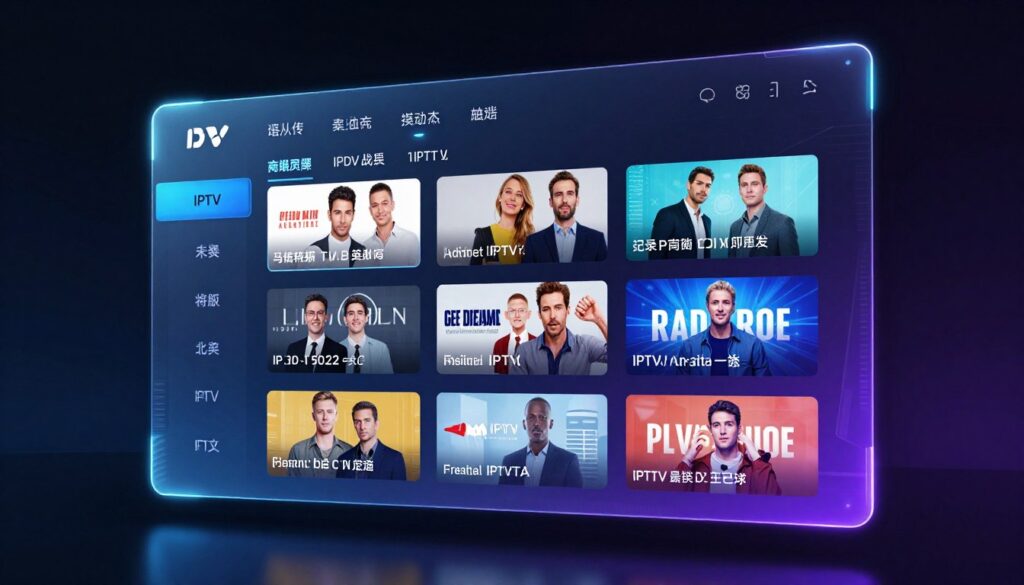
The set-top box or application on your device serves as the interface between you and the IPTV service. Modern IPTV apps provide intuitive menus for browsing channels and programs. They remember your preferences, suggest content based on your viewing history, and organize your favorite channels for quick access. Some advanced applications even allow you to record programs to cloud storage or download content for offline viewing.
Types of IPTV Services
IPTV service providers offer distinct types of content delivery that serve different viewing needs. Understanding these categories helps you identify which services align best with your entertainment preferences. Each type brings specific advantages and caters to particular audience segments.
Live Television Streaming
Live television remains the most popular IPTV service type. These services broadcast channels in real-time over the internet, replicating the traditional TV experience with modern flexibility. You access news channels, sports networks, and entertainment programming as events happen. The key difference lies in delivery method and enhanced features like multi-device viewing and cloud DVR functionality.
Sports fans particularly benefit from live IPTV services. Major providers offer comprehensive sports coverage including NFL games, Champions League matches, and Premier League action. Many services provide multiple sports channels simultaneously, letting you watch different games on various devices. This flexibility proves invaluable during peak sports seasons when multiple events overlap.

Video on Demand Libraries
Video on demand transforms how you consume entertainment. Instead of adhering to broadcast schedules, you browse extensive libraries of movies and shows to watch whenever convenient. IPTV providers curate collections spanning decades of content across all genres. You simply select what interests you and start watching immediately.
The catalog depth varies significantly among providers. Premium services offer tens of thousands of titles including recent releases and classic favorites. Content libraries update regularly with new additions, ensuring fresh viewing options appear frequently. Many services organize content by genre, popularity, and release date, making discovery effortless even with massive libraries.
Time-Shifted Media Services
Time-shifted media gives you DVR-like control over live programming without physical recording equipment. You can pause live television to handle interruptions, rewind to catch missed moments, or restart shows already in progress. This functionality revolutionizes live TV viewing by accommodating your schedule rather than forcing you to accommodate broadcast times.
Catch-up TV extends time-shifting capabilities further. Many IPTV services automatically record recent broadcasts from your favorite channels, storing them temporarily for later viewing. You might have access to programs aired within the past seven days, giving you a window to watch shows you missed. This feature eliminates the stress of scheduling conflicts and ensures you never miss important episodes.
Advantages of IPTV Services
- Access thousands of live channels from around the world
- Watch on multiple devices simultaneously with family plans
- No long-term contracts or equipment rental fees
- Significantly lower monthly costs than cable packages
- Extensive on-demand libraries with recent content
- Cloud DVR functionality without hardware
- Stream from anywhere with internet access
- Regular free trial offers to test services risk-free
Considerations Before Switching
- Requires stable high-speed internet connection
- Quality depends on your internet speed and reliability
- Some services may lack local channel coverage
- Learning curve with new interfaces and apps
- Potential buffering during peak usage times
- Regional content restrictions may apply
- Need compatible devices for optimal viewing
Hybrid IPTV Solutions
Modern IPTV providers increasingly offer hybrid services combining all three delivery types. A single subscription might include live channel streaming, an extensive on-demand library, and time-shifting capabilities. This comprehensive approach provides maximum flexibility, letting you watch how and when you prefer without switching between multiple services.
The integration between service types creates seamless transitions. You might start watching a live sports event, pause it when interrupted, then resume later from where you stopped. Alternatively, if you miss a show’s live broadcast, you can access it immediately through the on-demand library or catch-up service. This fluidity represents the future of television consumption.
Essential Features to Look for in an IPTV Service Provider
Selecting an IPTV service provider requires evaluating specific features that impact your viewing experience. Not all providers offer identical capabilities, and certain features prove more valuable depending on your household needs. Understanding which elements matter most helps you narrow choices and find the optimal service.
Channel Selection and Content Quality
Channel quantity matters less than channel quality and relevance. A service offering 5,000 channels sounds impressive, but value comes from whether those channels match your interests. Evaluate the channel list carefully before subscribing. Check for your must-have networks, local channels, news sources, and entertainment options that matter to your household.
Sports channels deserve special attention if you follow athletic events. Verify that providers include your preferred sports networks, especially those broadcasting your favorite teams and leagues. Some services excel at international sports coverage, offering channels for Premier League, Champions League, and other global competitions that traditional cable often lacks or charges premium rates to access.
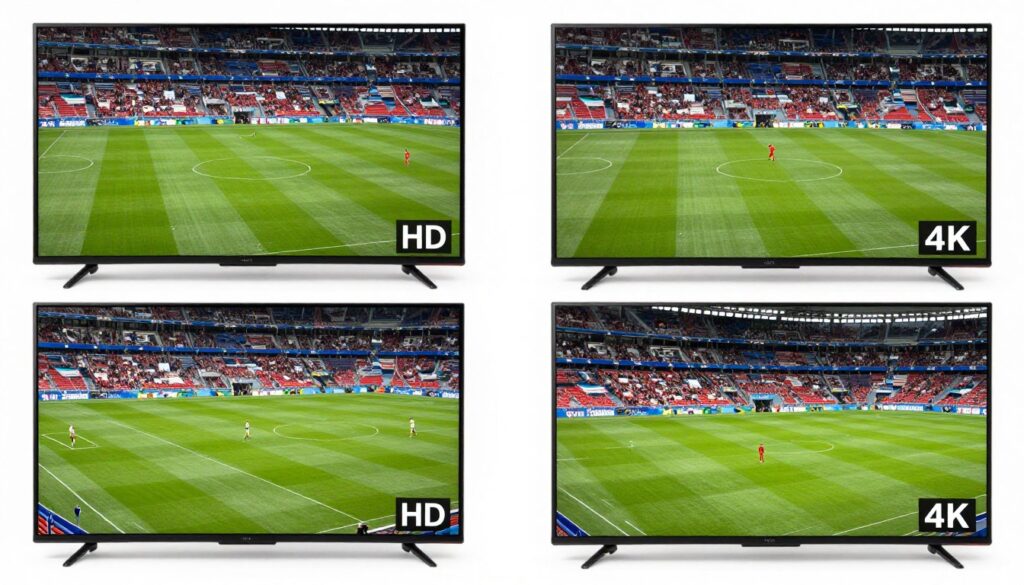
Picture quality directly affects enjoyment. Modern IPTV services should offer HD streaming as standard, with many providing 4K content for compatible devices. Ask about streaming bitrates and resolution options. Services that adapt quality to your internet connection provide more consistent experiences than those requiring manual adjustments.
Simultaneous Streams and Multi-Device Support
Households with multiple viewers need services allowing simultaneous streams on different devices. Most quality providers offer at least two simultaneous connections, with premium plans supporting five or more. This capability lets family members watch different content concurrently without conflicts or additional subscriptions.
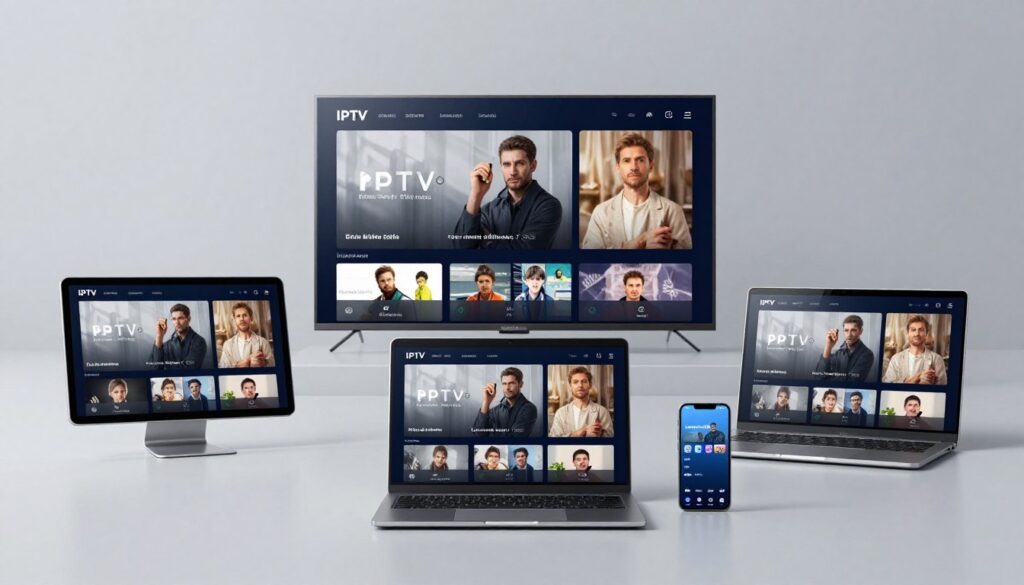
Device compatibility determines where and how you can watch. The best IPTV services support smart TVs, streaming devices, smartphones, tablets, and computers. Check whether your specific devices work before subscribing. Some providers offer dedicated apps for popular platforms while others use web-based players that work universally but may lack certain features.
Smart TV Apps
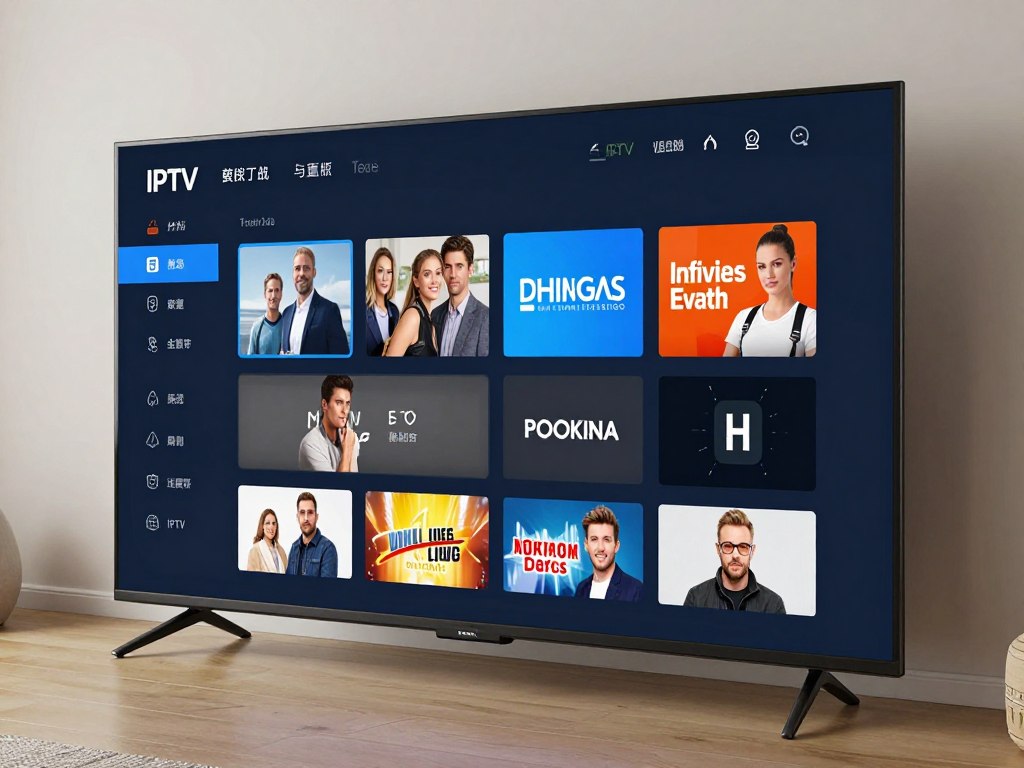
Native applications for Samsung, LG, Android TV, and other smart TV platforms provide the best big-screen experience with remote control navigation.
Streaming Devices
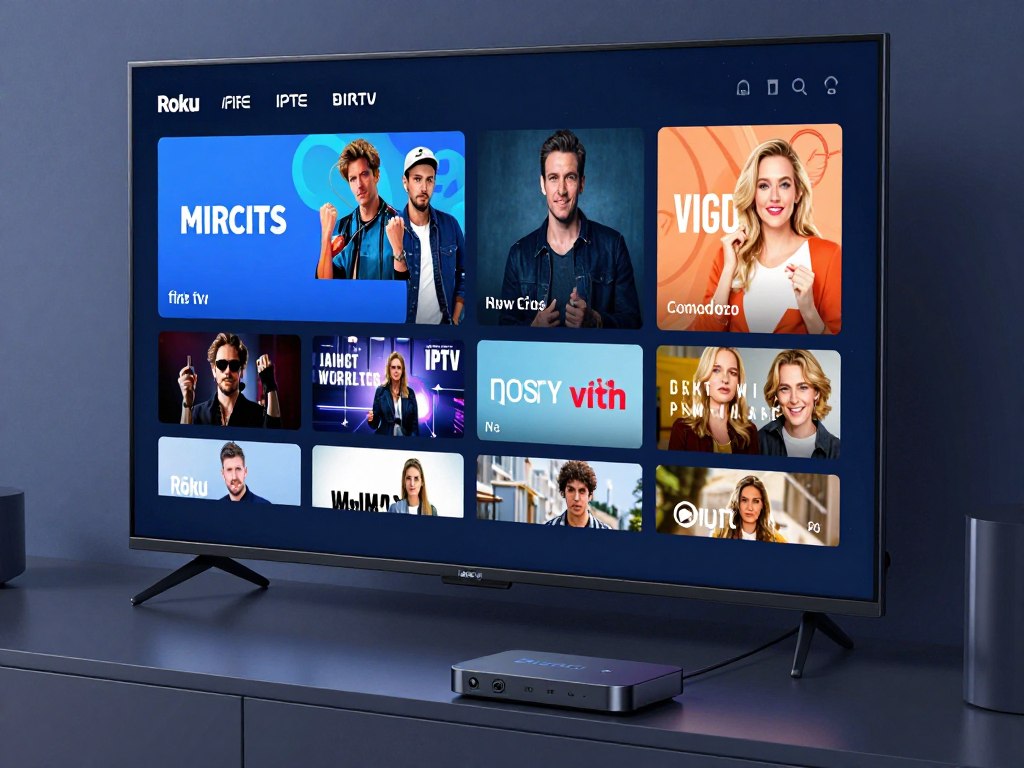
Compatibility with Roku, Fire TV Stick, Apple TV, and similar devices ensures you can add IPTV to any television, even older models.
Mobile Viewing
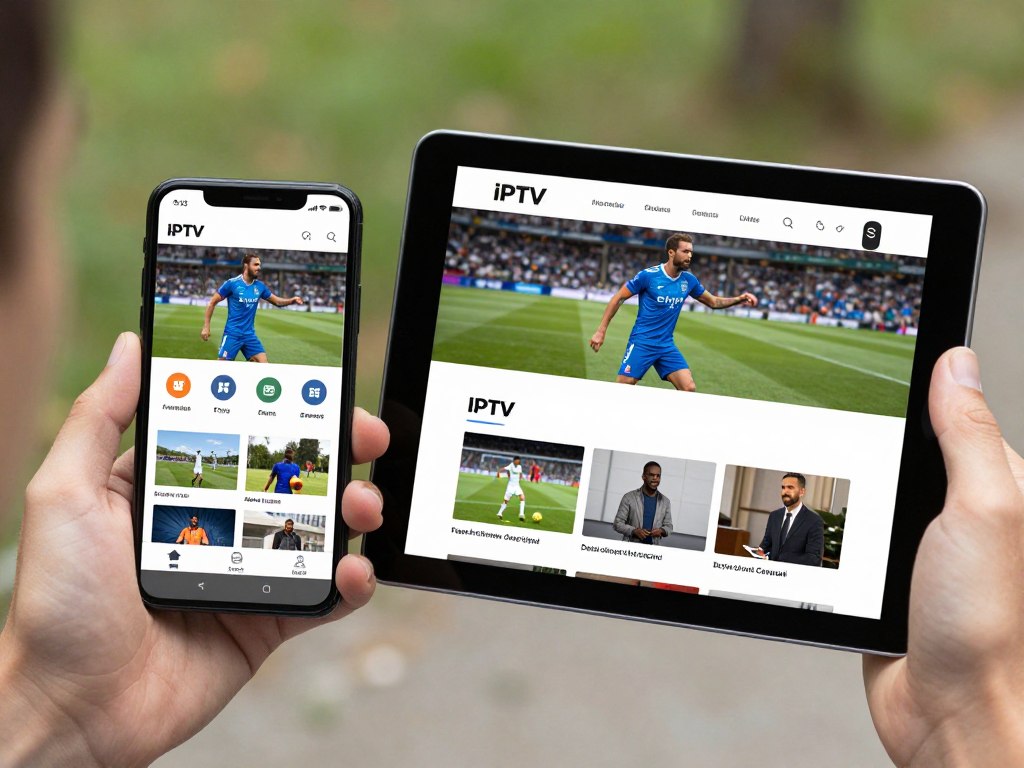
iOS and Android apps enable viewing anywhere with internet access, perfect for travel, commutes, or watching in different rooms.
DVR Functionality and Recording Options
Cloud DVR services replace physical recording equipment. Quality IPTV providers include cloud storage for recording live programming. Storage capacity varies from 20 hours to unlimited recording, with retention periods ranging from days to months. Consider how much you typically record and choose a service with adequate storage.
Recording functionality should work seamlessly. Look for services allowing you to schedule recordings from the program guide with single clicks. The ability to record entire series automatically saves time and ensures you never miss episodes. Some advanced services even remove commercials from recordings, enhancing the viewing experience.
Electronic Program Guide and User Interface
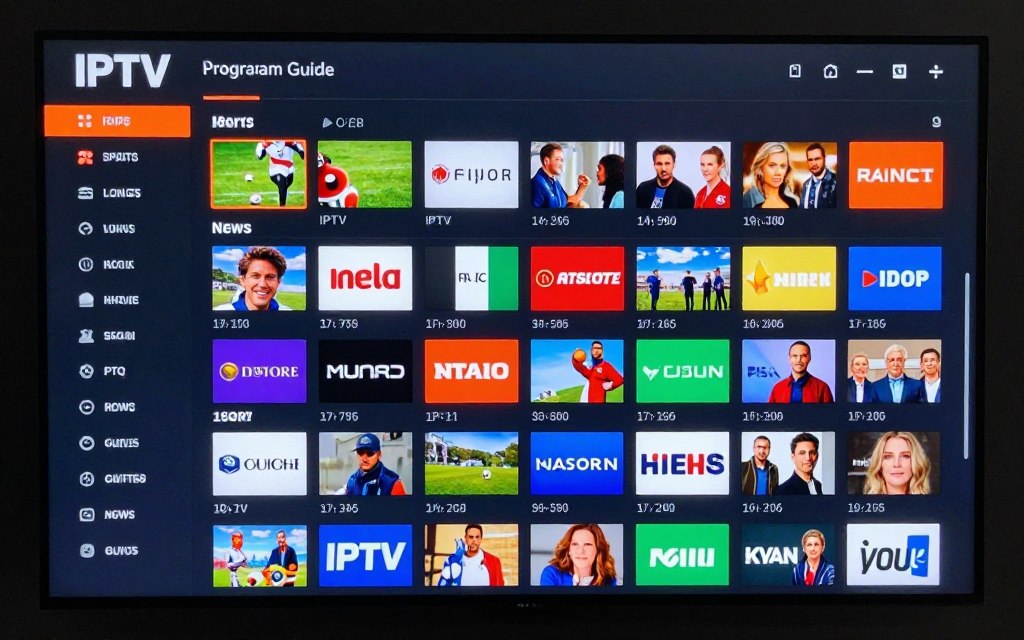
The electronic program guide serves as your window into available content. An intuitive EPG makes finding and navigating content effortless. Evaluate how guides organize channels, display program information, and let you browse upcoming shows. Features like favorites lists, search functions, and genre filtering significantly improve usability.
Overall interface design impacts daily satisfaction. The best IPTV services feature clean, responsive interfaces that work smoothly across devices. Navigation should feel natural with logical menus and quick access to frequently used features. Test interfaces during free trial periods to ensure they match your preferences and technical comfort level.
Pro Tip: Take advantage of free trial periods offered by IPTV providers. Most services offer 3 to 7 days of risk-free access. Use this time to test channel quality, interface usability, and streaming stability during your typical viewing times. This hands-on experience reveals more than any feature list.
Customer Support and Reliability
Technical issues happen with any streaming service. Responsive customer support becomes essential when problems arise. Check what support channels providers offer and their availability hours. Services with 24/7 live chat or phone support resolve issues faster than those relying solely on email tickets.
Service reliability separates great providers from mediocre ones. Research uptime statistics and user reviews focusing on streaming stability. The best services maintain consistent performance even during peak viewing hours when many users stream simultaneously. Occasional brief interruptions are normal, but frequent buffering or disconnections indicate infrastructure problems.
Comparing Top IPTV Service Providers
The IPTV marketplace includes dozens of providers with varying strengths and specialties. Making informed comparisons requires examining specific attributes that affect value and performance. This section analyzes key factors distinguishing leading services and helps you identify which aligns best with your priorities.
| Feature | Budget Service | Premium Service | Sports-Focused Service |
| Monthly Price | $15-25 | $50-80 | $40-70 |
| Live Channels | 1,000-3,000 | 5,000-10,000 | 2,000-4,000 |
| Simultaneous Streams | 1-2 | 4-5 | 2-3 |
| Sports Channels | Limited | Extensive | Comprehensive |
| VOD Library | 5,000+ titles | 20,000+ titles | 10,000+ titles |
| Cloud DVR | 20-50 hours | Unlimited | 100 hours |
| Free Trial | 3 days | 7 days | 5 days |
| Contract Required | No | No | No |
Provider reputations vary significantly within the IPTV industry. Established services with years of operation generally offer more stability than newer entrants. Research provider backgrounds, read user reviews from multiple sources, and check independent ratings. Services with transparent business practices, clear terms of service, and responsive support teams deserve preference over those lacking accountability.
Pricing Models and Value Assessment
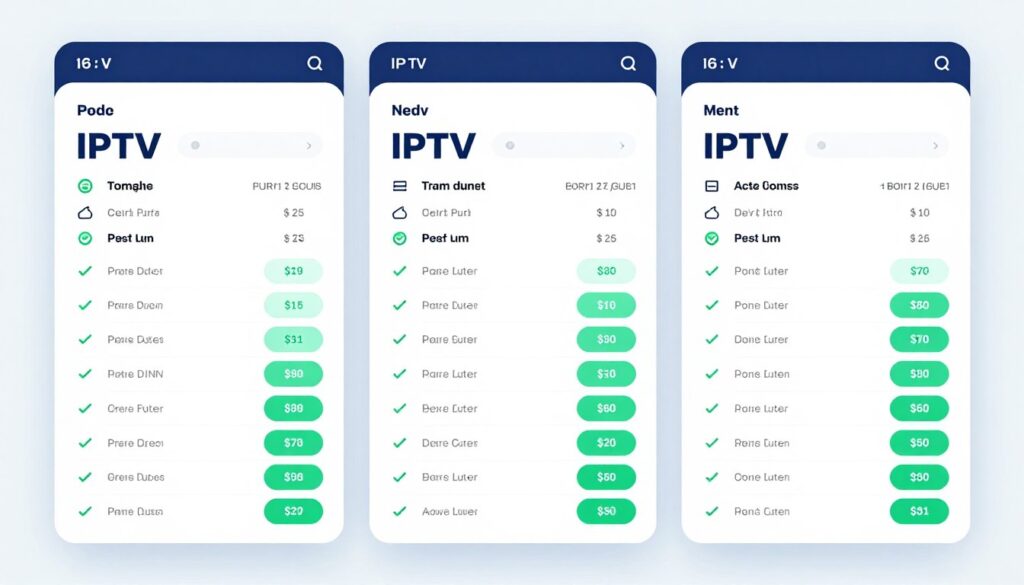
IPTV pricing structures differ considerably across providers. Monthly subscription models remain most common, with prices ranging from $15 for basic services to $80 for premium offerings. Some providers offer discounts for quarterly or annual prepayment. Calculate the actual monthly cost across different payment terms to identify the best value.
Hidden fees undermine apparent bargains. Examine complete pricing including setup fees, equipment charges, and premium channel add-ons. The advertised base price may not reflect the total cost for the channels and features you want. Reputable providers display transparent pricing with clear explanations of what each tier includes.
Comparing IPTV costs against traditional cable proves eye-opening. Average cable bills exceed $100 per month with equipment rentals and fees. Most IPTV services cost 30-50% less while offering more channels and flexibility. Even premium IPTV subscriptions typically undercut cable prices significantly, particularly when considering the elimination of equipment rental fees.
Start Your Free IPTV Trial Today
Leading IPTV services offer risk-free trials ranging from 3 to 7 days. Test the service with your own internet connection and devices. Watch your favorite channels and sports events to verify quality before committing. No credit card required for most trials.
International Content and Language Options
Global content availability distinguishes IPTV from traditional cable. Many services specialize in international programming, offering channels from dozens of countries in multiple languages. This capability proves invaluable for immigrant communities, language learners, and anyone interested in international news and entertainment.
Language support extends beyond channels to interface localization. Quality providers offer menus and guides in multiple languages, making navigation accessible to non-English speakers. Audio track options and subtitle availability enhance international content usability, letting you watch foreign programming with translation assistance.
Special Events and PPV Options
Major sporting events and entertainment specials drive significant IPTV interest. Evaluate how providers handle PPV events like boxing matches, UFC fights, and concerts. Some include these in subscriptions while others charge separately. Understanding the PPV model helps you budget for special events throughout the year.
Championship coverage creates subscription spikes around major tournaments. Services offering comprehensive Champions League, World Cup, or Olympics coverage attract sports fans willing to pay premium prices for complete access. If specific tournaments matter to you, verify detailed coverage before subscribing, as rights vary by provider and region.
Internet Connection Requirements for IPTV
Your internet connection forms the foundation of IPTV service quality. Insufficient bandwidth or unreliable connections create frustrating viewing experiences regardless of provider quality. Understanding technical requirements helps you determine whether your current internet service supports IPTV adequately or whether upgrades become necessary.
Minimum and Recommended Speed Requirements
Internet speed requirements scale with video quality and simultaneous streams. Standard definition streaming requires at least 3 Mbps for smooth playback. HD content needs 5 Mbps minimum, though 8 Mbps provides a better buffer against fluctuations. Ultra HD 4K streaming demands at least 25 Mbps with 35 Mbps recommended for optimal quality.
Multiple simultaneous streams multiply bandwidth needs. A household watching three HD streams concurrently requires approximately 24 Mbps dedicated to IPTV alone. Add other internet activities like web browsing, gaming, or video calls, and total bandwidth needs increase substantially. Most experts recommend at least 50 Mbps for households planning to stream IPTV on multiple devices while maintaining other internet activities.
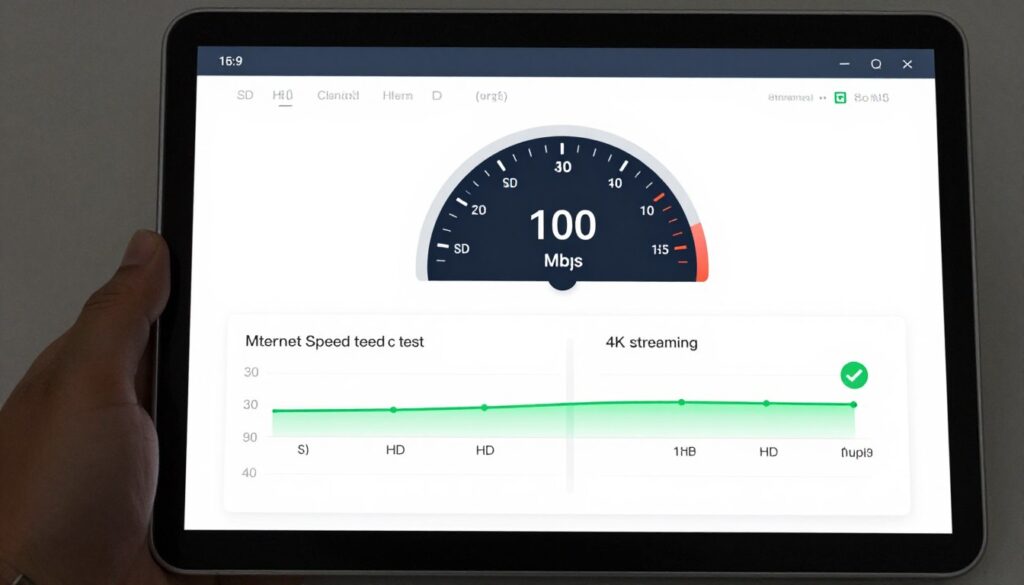
Connection stability matters as much as raw speed. Consistent 50 Mbps proves superior to fluctuating 100 Mbps for streaming purposes. Unstable connections cause buffering even when average speeds exceed requirements. Test your internet speed at different times, particularly during peak evening hours when you will actually watch IPTV. Multiple tests reveal whether your connection maintains adequate speeds consistently.
Wired Versus Wireless Connections
Ethernet connections provide superior IPTV performance compared to Wi-Fi. Wired connections deliver more stable speeds with lower latency and fewer interruptions. When possible, connect primary viewing devices like smart TVs and streaming boxes via ethernet cable. This simple step eliminates many common streaming issues and maximizes picture quality.
Wi-Fi remains practical for mobile devices and rooms where running cables proves impractical. Modern Wi-Fi standards like 802.11ac and Wi-Fi 6 offer sufficient speeds for IPTV when configured properly. Position routers centrally to minimize signal obstacles. Consider mesh Wi-Fi systems for larger homes to maintain strong signals throughout your property.
Router and Network Equipment Considerations
Your router significantly impacts streaming performance. Older routers may lack the processing power to handle modern streaming demands, especially with multiple devices. Routers supporting Quality of Service features let you prioritize streaming traffic over less time-sensitive data, ensuring smooth video playback even during network congestion.
Network congestion creates streaming problems during peak hours. If multiple household members stream simultaneously while others game or video conference, bandwidth competition occurs. Quality routers with traffic shaping capabilities manage these demands intelligently. Alternatively, scheduling bandwidth-intensive activities during off-peak times can alleviate congestion issues.
Optimize Your Network for IPTV
- Upgrade to at least 50 Mbps internet plan for multiple streams
- Use wired ethernet connection for main viewing device
- Position router centrally for better Wi-Fi coverage
- Enable Quality of Service to prioritize streaming traffic
- Update router firmware regularly for performance improvements
- Use 5 GHz Wi-Fi band for devices near the router
- Limit other bandwidth-heavy activities during peak viewing
- Consider mesh Wi-Fi system for large homes
Troubleshooting Common Issues
- Restart router and streaming device to clear connection issues
- Run speed test to verify you are receiving advertised speeds
- Move router away from other electronics causing interference
- Update streaming device software and IPTV application
- Check for ISP throttling of streaming traffic during peak hours
- Reduce video quality settings if buffering persists
- Close unnecessary applications consuming bandwidth
- Contact your ISP if speeds consistently fall short
Data Usage and Caps
IPTV streaming consumes significant data. HD streaming uses approximately 3 GB per hour, while 4K content can consume 7 GB hourly. A household streaming three hours daily reaches 270-630 GB monthly depending on quality. Many internet plans include data caps that heavy streaming can exceed, resulting in overage charges or throttled speeds.
Evaluate your internet plan’s data allowance before committing to IPTV. Unlimited data plans eliminate concerns about overages but typically cost more monthly. Calculate your expected streaming data usage and compare against your plan limits. If IPTV would push you over caps regularly, upgrading to unlimited data proves worthwhile despite higher costs.
Advantages and Disadvantages of IPTV Services
IPTV technology brings transformative benefits alongside certain limitations. Understanding both sides helps you set realistic expectations and determine whether IPTV suits your household better than traditional television services. Honest assessment of advantages and disadvantages guides informed decision-making.
Cost Savings and Financial Benefits
Financial savings drive many cord-cutting decisions. IPTV subscriptions typically cost 40-60% less than comparable cable packages. A family paying $120 monthly for cable can often access similar or superior content through IPTV for $40-60. Over a year, this difference saves $600-800, enough for significant household expenses or entertainment upgrades.
Elimination of equipment fees compounds savings. Cable companies charge $10-20 monthly for set-top boxes and DVRs. IPTV services work with devices you already own or inexpensive streaming devices costing $30-50 once. No installation fees, no service calls, and no technician charges further reduce costs compared to traditional television services.
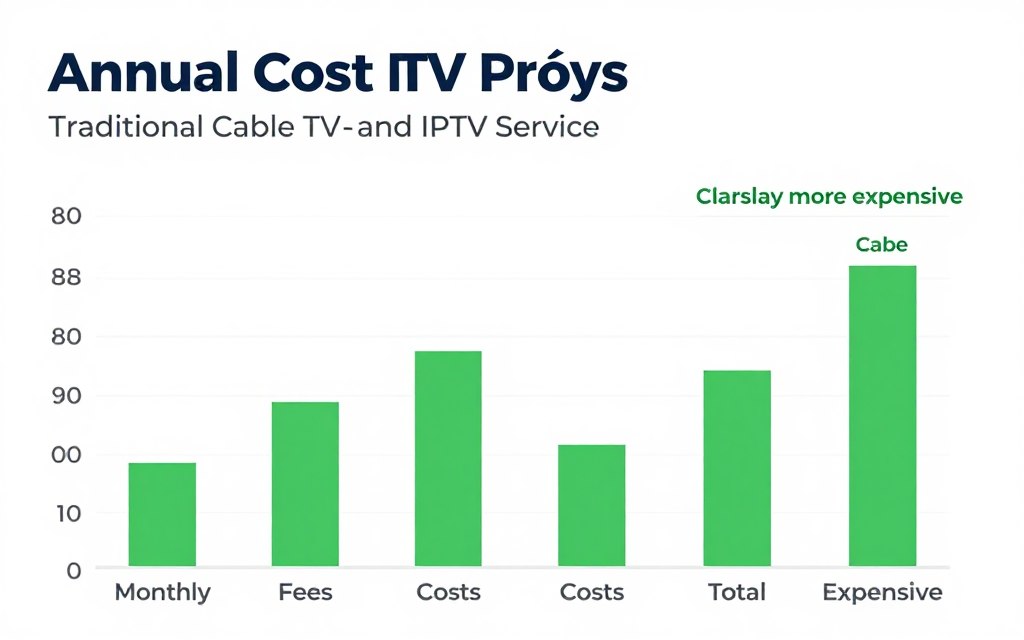
Contract freedom provides financial flexibility. Most IPTV providers operate month-to-month without long-term commitments. You can cancel anytime without penalties if services fail to meet expectations or financial circumstances change. This flexibility contrasts sharply with cable contracts that lock you into 12-24 month commitments with expensive early termination fees.
Content Variety and Global Access
Channel selection dwarfs cable offerings. Quality IPTV services provide access to thousands of channels from around the world. You can watch American sports networks, British entertainment channels, Asian news services, and European sports broadcasts within a single subscription. This global content library proves impossible with traditional cable services limited by regional licensing.
On-demand libraries rival major streaming platforms. Many IPTV providers include extensive movie and series collections alongside live channels. You access both live news and archived documentaries, current sports and classic games, new releases and timeless films. This combination eliminates the need for multiple subscriptions to different streaming services.
Flexibility and Multi-Device Viewing
Watch anywhere capabilities transform viewing habits. IPTV services work on smartphones and tablets, letting you watch content during commutes, travel, or anywhere with internet access. Follow live sports while away from home, catch up on shows during lunch breaks, or entertain children on road trips. This mobility proves impossible with location-restricted cable services.
Simultaneous streaming across multiple devices accommodates modern households. Family members watch different content concurrently without conflicts or requiring multiple subscriptions. Parents stream news in the kitchen while children watch cartoons in their rooms and teenagers follow sports in the basement. This parallel viewing happens seamlessly with adequate simultaneous stream allowances.
Technical Dependencies and Limitations
Internet dependency creates vulnerability. IPTV services become unusable during internet outages while cable television continues working. Power outages affecting your router eliminate IPTV access even if electricity returns to your television. This dependency requires acknowledgment, particularly in areas with unreliable internet infrastructure.
Streaming quality fluctuates with internet performance. Even with adequate bandwidth, network congestion during peak hours can degrade picture quality or cause buffering. ISP throttling of streaming traffic creates additional complications. These variables introduce inconsistency absent from traditional cable’s dedicated signal delivery.
Technical comfort requirements exclude some users. Setting up IPTV services, configuring devices, and troubleshooting connection issues demands more technical knowledge than cable television. Older adults or less tech-savvy individuals may find the learning curve frustrating compared to traditional TV’s plug-and-play simplicity.
Legal and Legitimacy Concerns
The IPTV market includes both legitimate services and illegal operations. Unauthorized providers offer suspiciously cheap access to premium content, operating in legal gray areas or outright piracy. Using such services risks legal consequences, service interruptions when authorities shut down operations, and security vulnerabilities from untrustworthy providers.
Distinguishing legitimate providers requires research. Reputable IPTV services maintain transparent business operations, provide clear terms of service, and secure proper content licensing. Extremely low prices and promises of unlimited premium content for minimal cost typically indicate illegitimate operations. Protecting yourself means choosing established providers with verifiable credentials even if they cost slightly more.
Tips for Selecting a Reliable IPTV Service Provider
Choosing among dozens of IPTV providers seems overwhelming without a structured evaluation approach. Smart selection involves researching specific criteria, testing services hands-on, and verifying provider legitimacy. These practical tips guide you toward providers that deliver quality service and value.
Research Provider Reputation and Reviews
Independent reviews reveal provider strengths and weaknesses. Read user testimonials from multiple sources rather than relying solely on provider websites. Forums dedicated to cord-cutting and streaming provide honest feedback from actual subscribers. Look for patterns in reviews—consistent complaints about buffering or customer service indicate genuine issues.
Social media presence indicates provider engagement and responsiveness. Active providers maintain social accounts where they address customer concerns and announce updates. Check how providers respond to negative feedback. Companies that ignore complaints or respond defensively raise red flags compared to those offering helpful solutions.
Industry recognition and awards suggest quality. Providers earning accolades from technology publications or consumer advocacy groups demonstrate commitment to service excellence. While awards alone should not determine your choice, they provide useful validation alongside other research.
Verify Service Legitimacy and Licensing
Legitimate IPTV providers operate transparently with proper content licensing. Verify the company maintains a physical address and provides clear contact information. Check whether they display privacy policies, terms of service, and licensing information openly. Legitimate businesses welcome scrutiny while questionable operations hide behind anonymity.
Extremely low pricing signals potential illegitimacy. If monthly costs seem unrealistically cheap for the content offered, the provider likely lacks proper licensing. Legal content licensing costs money, and legitimate providers must charge accordingly. Bargain-basement prices usually indicate pirated content that puts you at legal risk.
Test Services During Free Trial Periods
Free trials provide invaluable hands-on evaluation. Most reputable providers offer trial periods ranging from three to seven days. Take full advantage by testing during your normal viewing times. Watch your favorite channels, try different devices, and evaluate streaming quality during peak evening hours when networks experience highest traffic.
Create a testing checklist to systematically evaluate each service. Assess channel quality, interface usability, customer support responsiveness, and streaming stability. Test specific features important to you like DVR functionality or multi-device viewing. Document your experiences to compare providers objectively rather than relying on memory.
Free Trial Testing Checklist
- Verify all promised channels appear in the channel list and work properly
- Test streaming quality during peak evening hours (7-10 PM)
- Watch live sports to assess real-time streaming performance
- Try the service on all devices you plan to use regularly
- Test DVR recording and playback functionality
- Navigate the interface to evaluate ease of use
- Contact customer support with a question to assess responsiveness
- Check for hidden fees or charges before trial ends
- Test from different internet connections if possible
Evaluate Customer Support Quality
Responsive support becomes critical when technical issues arise. Test customer service during your trial period by asking questions or reporting minor issues. Note response times and helpfulness. Providers offering 24/7 live chat or phone support resolve problems faster than email-only services.
Knowledge base resources indicate provider professionalism. Quality services maintain comprehensive help centers with setup guides, troubleshooting articles, and FAQ sections. These resources let you solve common issues independently rather than waiting for support responses. Well-documented services typically reflect overall operational quality.
Compare Pricing Across Payment Terms
Monthly subscription flexibility comes at a premium. Many providers offer discounts for quarterly, semi-annual, or annual prepayment. Calculate the effective monthly cost across different terms. A service charging $25 monthly might cost $20 monthly if paid annually—$240 versus $300 yearly. Significant savings justify longer commitments with reputable providers.
Balance savings against commitment risk. Locking into annual subscriptions with unproven services risks wasting money if quality disappoints. Start with monthly billing for new providers, switching to longer terms only after confirming satisfaction. The small extra monthly cost provides valuable flexibility while you evaluate service quality.
Find Your Perfect IPTV Service
Download our comprehensive IPTV selection guide featuring detailed provider comparisons, setup instructions, and troubleshooting tips. Make an informed decision with expert guidance tailored to your viewing needs and budget.
Assess Scalability and Growth Options
Your viewing needs may expand over time. Choose providers offering flexible plan upgrades without penalties. The ability to add simultaneous streams, upgrade storage, or access premium channel packages lets your service grow with your household. Rigid providers requiring plan cancellation and re-enrollment for changes create unnecessary complications.
Family plan options provide better long-term value. Services designed for multi-user households include adequate simultaneous streams and profile management from the start. Starting with family-oriented plans prevents the need for awkward upgrades when children grow older and demand their own viewing flexibility.
Device Compatibility and Setup Process
IPTV services work across diverse devices, but compatibility specifics vary by provider. Understanding setup processes for different devices helps you prepare for installation and ensures smooth deployment across your household. Most services offer straightforward installation, though steps differ between platforms.
Smart TV Applications
Modern smart TVs support IPTV through dedicated applications. Popular TV platforms like Samsung Tizen, LG webOS, and Android TV offer IPTV apps through their respective app stores. Installation typically involves searching for your provider’s app, downloading it, and logging in with your credentials. Some providers support casting from mobile devices if native TV apps are unavailable.
Older smart TVs may lack current IPTV apps. Providers discontinue support for outdated TV platforms as they focus development on current systems. If your TV lacks app support, adding an inexpensive streaming device provides access without replacing your entire television. This approach extends the useful life of older sets while delivering modern streaming capabilities.
Streaming Device Setup
Dedicated streaming devices offer universal IPTV compatibility. Popular options include Amazon Fire TV Stick, Roku devices, Apple TV, and Android TV boxes. These devices connect via HDMI, transforming any television into a smart TV capable of running IPTV applications. Setup involves connecting the device, installing your provider’s app, and signing in.
Device selection depends on ecosystem preferences and features. Fire TV integrates deeply with Amazon services, Apple TV works seamlessly with iOS devices, and Roku offers platform-neutral operation. Android TV boxes provide maximum flexibility but require more technical comfort. Choose based on your existing device ecosystem and feature priorities.
Mobile and Tablet Applications
Mobile IPTV apps enable viewing anywhere with internet access. Both iOS and Android platforms support IPTV applications downloadable from official app stores. Mobile setup mirrors TV installation—download the app, sign in, and start watching. Most providers offer identical features across mobile and TV apps, though interfaces adapt to smaller screens.
Offline viewing varies by provider. Some IPTV services let you download content to mobile devices for offline playback during flights or in areas with poor connectivity. This feature proves valuable for frequent travelers or commuters with unreliable mobile data. Check offline capabilities if this functionality matters to your viewing habits.
Computer and Browser-Based Access
Web-based IPTV players work across all operating systems. Most providers offer browser access through their websites, eliminating the need for dedicated applications on computers. Simply visit the provider’s site, log in, and stream through your web browser. This approach works universally across Windows, Mac, and Linux systems.
Dedicated desktop applications provide enhanced features. Some providers offer downloadable software for Windows and Mac offering improved performance and additional capabilities over browser players. Desktop apps typically support higher quality streams, better DVR integration, and more responsive interfaces compared to browser-based access.
Quick Setup Steps for Any Device
- Locate your provider’s app in your device’s app store or visit their website
- Download and install the application or bookmark the web player
- Launch the app and select the sign-in or registration option
- Enter your account credentials or create a new account if trying a trial
- Wait for the channel list and content library to populate completely
- Browse channels to verify your subscription activated properly
- Adjust video quality settings based on your internet speed
- Set up favorite channels and parental controls as needed
Optimizing Your IPTV Experience
- Update device firmware and apps to latest versions regularly
- Clear app cache periodically to maintain smooth performance
- Configure video quality to auto-adjust for your connection
- Create individual profiles for family members on supported services
- Enable parental controls to restrict adult content from children
- Set up favorite channel lists for quick access to preferred content
- Test different servers or streams if experiencing buffering
- Configure DVR settings for automatic series recording
IPTV for Sports Fans and Entertainment Enthusiasts
Sports coverage drives significant IPTV adoption. Traditional cable packages force sports fans to pay for expensive sports tiers or miss critical games. IPTV services revolutionize sports viewing by offering comprehensive coverage at fraction of cable costs. Understanding sports-specific features helps fans maximize their viewing experience.
Live Sports Coverage and Channels
Premium IPTV services provide extensive sports channel lineups. Major networks like ESPN, Fox Sports, NBC Sports, and regional sports networks appear in most quality subscriptions. International sports coverage includes channels for Premier League, Champions League, and other global competitions unavailable or expensive through traditional cable.
NFL game coverage spans multiple channels and viewing options. Services typically include NFL Network, ESPN, Fox, CBS, and NBC for comprehensive regular season and playoff access. Sunday Ticket alternatives through IPTV let you follow out-of-market teams without expensive cable packages. Multi-view features let you watch multiple games simultaneously on split screens.
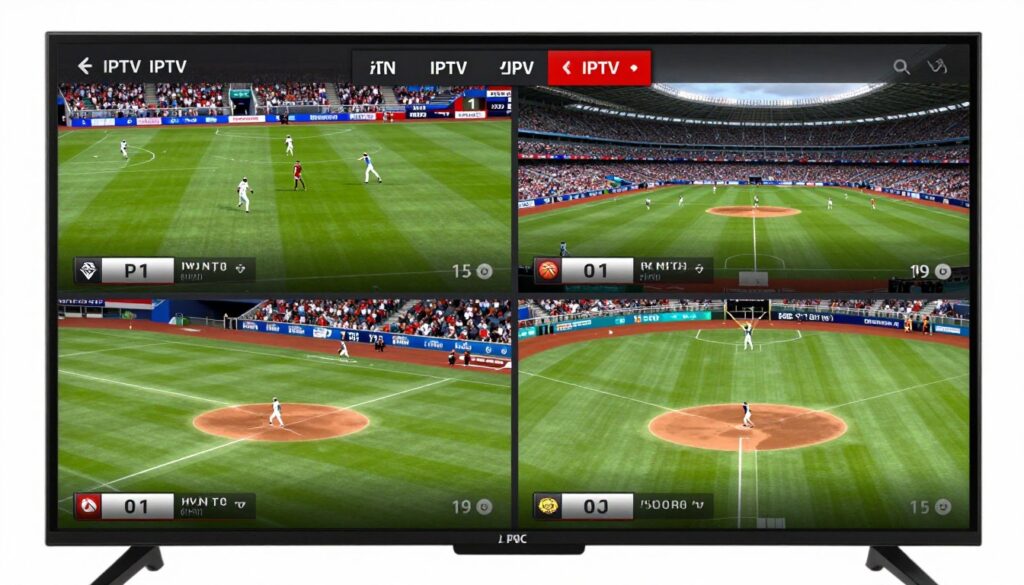
Pay-per-view events require different handling across providers. Boxing matches, UFC fights, and wrestling PPV events sometimes integrate into subscriptions or require additional purchases. Compare how different providers handle major PPV events if you regularly watch these. Some services bundle popular events while others charge separately, significantly affecting total costs.
Specialty Sports and Niche Coverage
IPTV excels at niche sports coverage. Traditional cable rarely includes channels for motorsports, cricket, rugby, or esports. IPTV services frequently offer international sports networks covering these specialties. Fans of non-mainstream sports find IPTV invaluable for accessing content completely absent from cable lineups.
College sports receive comprehensive coverage through IPTV. Major conference networks, regional college sports channels, and specialty college programming appear in many services. Follow your alma mater’s games regardless of conference or division. This coverage depth proves particularly valuable during March Madness or football bowl season.
Entertainment Channel Diversity
Entertainment channels span all genres and interests. Quality IPTV services include major networks like NBC, ABC, CBS, and Fox alongside cable entertainment channels. Premium movie channels, lifestyle networks, documentary channels, and children’s programming create comprehensive entertainment packages rivaling expanded cable tiers.
International entertainment content sets IPTV apart. Access British television through BBC and ITV, watch Bollywood channels, or explore Asian entertainment networks. This global content library appeals to diverse households and introduces viewers to programming styles beyond American television. Language learners particularly benefit from authentic foreign content for immersion practice.
Sports Fans

- All major sports networks included
- International leagues and tournaments
- Multi-game viewing options
- DVR to never miss critical plays
Movie Enthusiasts

- Extensive on-demand libraries
- Premium movie channels
- Classic and new releases
- Multiple viewing profiles
Families
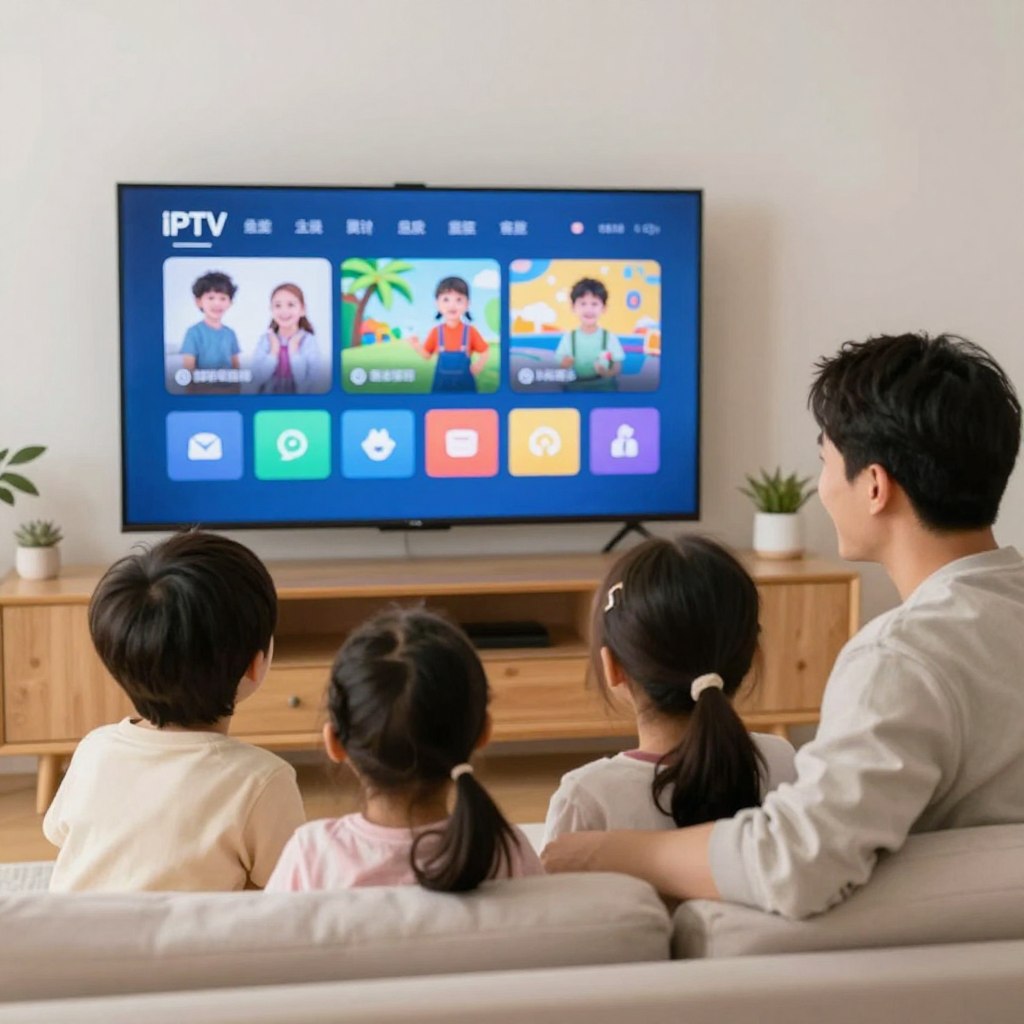
- Safe kids content and controls
- Multiple simultaneous streams
- Content for all age groups
- Educational programming included
News and Information Programming
Comprehensive news coverage keeps you informed through multiple perspectives. IPTV services include major news networks like CNN, Fox News, MSNBC, and BBC News. International news channels provide global perspectives on current events. Financial news networks, weather channels, and regional news stations complete robust news packages.
On-demand news content supplements live coverage. Many IPTV services archive recent news broadcasts, letting you catch up on stories you missed. News clips, documentary series, and investigative reports remain accessible for days or weeks after original broadcast. This flexibility means you never miss important coverage due to scheduling conflicts.
Security and Privacy Considerations
IPTV services handle your personal information and payment details, making security and privacy critical considerations. Understanding potential risks and protection measures helps you use IPTV services safely. Reputable providers implement strong security, but users must also take precautions.
Account Security Best Practices
Strong unique passwords protect your IPTV account from unauthorized access. Avoid reusing passwords across multiple services. Use complex passwords combining letters, numbers, and symbols. Password managers help you maintain strong unique credentials for each service without memorization burden.
Two-factor authentication adds crucial security layers when available. Enable 2FA on IPTV accounts that offer it, requiring both your password and a code from your phone for login. This protection prevents account access even if someone obtains your password. The minor inconvenience provides significant security enhancement.
Monitor account activity for suspicious login attempts or unusual viewing history. Most quality providers let you review active sessions and connected devices. Regularly audit which devices can access your account. Remove old devices you no longer use and investigate any unrecognized access immediately.
Payment Security and Subscription Management
Legitimate payment methods indicate provider trustworthiness. Reputable IPTV services accept major credit cards, PayPal, and established payment processors. Avoid providers only accepting cryptocurrency, wire transfers, or gift cards—these payment methods offer no fraud protection and suggest questionable operations.
Review billing statements regularly for unauthorized charges. Some disreputable providers continue charging after cancellation or add unexpected fees. Monitor your payment method for IPTV-related charges monthly. Dispute suspicious transactions immediately through your payment provider.
Security Warning: Avoid IPTV services requesting unusual personal information during signup. Legitimate providers need email addresses and payment details but should never ask for social security numbers, excessive personal data, or copies of identification documents. Such requests indicate potential identity theft operations.
Privacy and Data Collection Practices
IPTV providers collect viewing data to improve services and recommend content. Understand what information providers gather and how they use it. Review privacy policies before subscribing, focusing on data sharing practices with third parties. Responsible providers clearly explain data usage and offer opt-out options for marketing.
Viewing habits reveal personal information beyond just entertainment preferences. The content you watch indicates political leanings, religious beliefs, health interests, and lifestyle choices. Consider whether you trust providers with this information. Services with strong privacy commitments and transparent policies deserve preference over those with vague or concerning data practices.
Network Security and VPN Usage
Virtual private networks encrypt your internet traffic, adding privacy layers to IPTV viewing. VPNs prevent your internet service provider from monitoring your streaming activity. This protection proves particularly valuable in regions where ISPs throttle streaming traffic or where privacy concerns exist about viewing data collection.
VPN usage may affect streaming performance. Encryption overhead can reduce internet speeds, potentially causing buffering. Choose VPN providers offering fast servers and minimal speed impact. Some IPTV services discourage VPN usage due to content licensing restrictions, though policies vary widely.
Common IPTV Issues and Troubleshooting
Technical problems occasionally affect even quality IPTV services. Understanding common issues and their solutions helps you resolve problems quickly rather than suffering poor viewing experiences. Many problems stem from simple causes with straightforward fixes.
Buffering and Streaming Quality Problems
Buffering represents the most common IPTV complaint. Insufficient internet speed causes most buffering issues. Run speed tests to verify you are receiving your subscribed internet speeds. If speeds fall short, contact your ISP. If speeds meet requirements but buffering persists, other factors require investigation.
Network congestion creates streaming problems during peak hours. If buffering only occurs during evening hours, bandwidth competition with neighbors on shared cable networks may be the cause. Consider upgrading to higher speed tiers or switching to fiber internet if available. Alternatively, adjust your viewing schedule to off-peak times when possible.
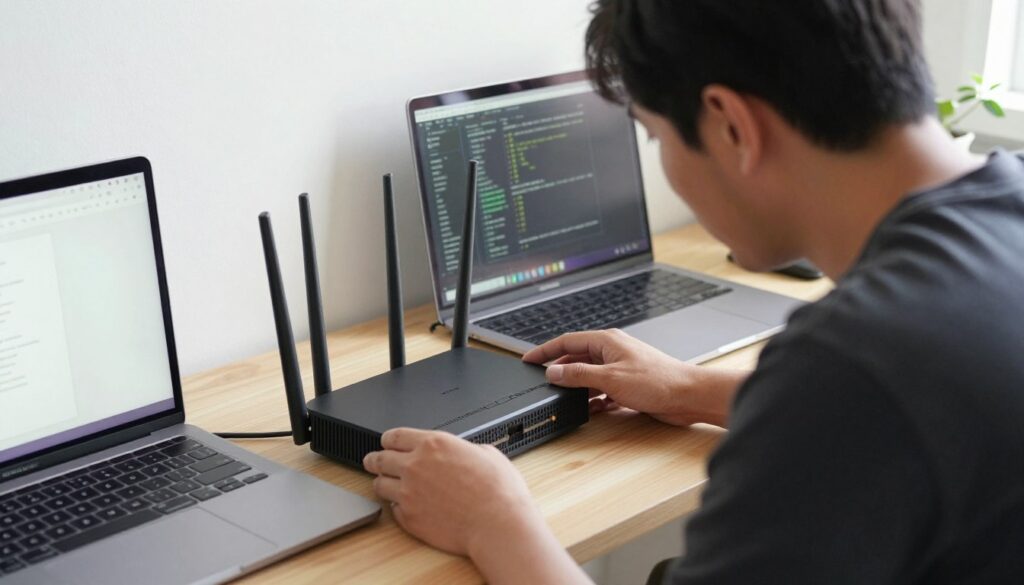
Video quality settings affect streaming stability. Many IPTV apps automatically adjust quality based on connection speed, but manual settings override this. If experiencing buffering, manually reduce quality from 4K to HD or HD to SD. Lower quality streams require less bandwidth, improving stability on slower or congested connections.
Connection and Login Problems
Login failures frustrate users attempting to access services. Verify you are entering correct credentials including proper capitalization. Password managers help by automatically entering saved credentials accurately. If you forgot your password, use the password reset function rather than repeatedly entering wrong passwords, which may trigger account locks.
Server issues occasionally prevent connections even with correct credentials. Check provider social media or status pages for service announcements. Widespread outages get acknowledged quickly by legitimate providers. If no outage is reported but connection fails, contact customer support to verify your account status and troubleshoot connectivity.
Audio and Video Sync Issues
Audio-video synchronization problems create distracting viewing experiences. This issue often stems from device processing lag rather than streaming problems. Restart your streaming device to clear memory and reset processing. Update device firmware and IPTV applications to latest versions, as updates often resolve sync issues.
HDMI connections sometimes cause audio-video timing problems. Check cable quality and connections. Replace old or damaged HDMI cables with high-quality certified cables. Try different HDMI ports on your television. Some TVs include audio delay settings that let you manually adjust sync if problems persist.
Why does my IPTV stream buffer during live sports but not other content?
Live sports require higher consistent bandwidth than pre-recorded content because they stream in real-time without buffering ahead. Additionally, popular sporting events create simultaneous viewing spikes that strain provider servers. Try connecting via ethernet instead of Wi-Fi, close other bandwidth-consuming applications, and consider temporarily reducing video quality during major events.
Can I watch IPTV while traveling internationally?
Most IPTV services work internationally with internet access, but content availability may change based on location due to licensing restrictions. Some providers block access from certain countries entirely. Using a VPN with servers in your home country can restore access, though this may violate provider terms of service. Check your provider’s international usage policy before traveling.
How much data does IPTV streaming use monthly?
Data usage depends on viewing hours and video quality. SD streaming uses approximately 1 GB per hour, HD uses 3 GB per hour, and 4K uses 7 GB per hour. A household streaming 3 hours daily in HD consumes roughly 270 GB monthly. With multiple family members streaming simultaneously, monthly data usage can easily exceed 500 GB. Ensure your internet plan accommodates this usage.
Why do some channels work perfectly while others buffer constantly?
IPTV providers use multiple source servers for different channels. Some servers may be overloaded or located farther from you, causing specific channel problems while others work fine. Try changing servers if your app offers that option. Contact provider support to report problematic channels—they may switch you to alternative streams or address server issues.
App Crashes and Freezing
Application crashes indicate software problems or insufficient device resources. Clear the app cache through your device settings to remove corrupted temporary files. Uninstall and reinstall the IPTV application to ensure you have a clean installation. These steps resolve most crash issues without affecting your subscription.
Outdated devices may lack processing power for modern IPTV applications. Apps continually add features requiring more resources. If crashes persist after troubleshooting, your device may need replacement. Consider upgrading to a current-generation streaming device or smart TV for reliable performance with modern applications.
Future Trends in IPTV Technology
IPTV technology continues evolving rapidly. Understanding emerging trends helps you anticipate future capabilities and make forward-looking service choices. Several technological advances will transform IPTV experiences in coming years.
8K Streaming and Enhanced Video Quality
Ultra-high definition video quality keeps advancing. While 4K streaming becomes standard, 8K resolution emerges on premium content. This quadrupling of 4K pixel counts creates unprecedented picture clarity on large screens. However, 8K streaming requires enormous bandwidth—potentially 80-100 Mbps—limiting near-term adoption until internet infrastructure improves.
High dynamic range imaging enhances picture quality beyond resolution increases. HDR content displays wider color ranges and better contrast compared to standard video. More IPTV providers now offer HDR content, and this feature will become standard as HDR-capable devices proliferate. The improvement proves dramatic even on 1080p content, not just 4K.
Artificial Intelligence and Personalization
AI-powered recommendation engines transform content discovery. Current systems suggest shows based on viewing history, but next-generation AI will understand your preferences more deeply. Systems will recognize your mood from viewing patterns and time of day, suggesting appropriate content automatically. Family members will receive personalized recommendations across shared accounts.
Voice control through AI assistants simplifies IPTV navigation. Speaking commands to find channels, search content, or control playback eliminates remote control fumbling. Integration with smart home systems lets you dim lights, adjust thermostats, and control IPTV through unified voice commands. These convenience features will become standard expectations.
Cloud Gaming Integration
IPTV platforms increasingly integrate cloud gaming services. The same infrastructure streaming video can deliver game content, creating unified entertainment platforms. This convergence eliminates the need for gaming consoles, letting you play demanding games through IPTV apps. Gaming integration will attract younger demographics and expand IPTV beyond traditional television audiences.
Interactive and Social Viewing Features
Social viewing capabilities let friends watch together remotely. Synchronized playback with integrated chat transforms solo viewing into social experiences. These features gained popularity during recent years and will expand with video calls, reaction tracking, and group viewing analytics. IPTV becomes more interactive and communal rather than isolated passive consumption.
Interactive content allows viewer participation in programming. Choose your adventure style shows, real-time voting on competition outcomes, and alternate camera angles during sports represent emerging interactive possibilities. This participation transforms viewers into active participants, fundamentally changing the entertainment relationship.
Legal Considerations and Legitimate Services
The IPTV landscape includes both legitimate licensed services and illegal operations. Understanding legal distinctions protects you from consequences while supporting content creators and rights holders. Making informed choices about legal services ensures long-term access without interruption or legal risk.
Understanding Content Licensing
Legitimate IPTV providers secure broadcasting rights from content owners. These licensing agreements cost millions of dollars annually, explaining why legal services charge meaningful subscription fees. Providers must negotiate separate licenses for different regions, sports leagues, and content types. This complex licensing landscape affects what channels and content services can legally offer.
Geographic restrictions stem from regional licensing. A provider may legally stream Premier League matches in Europe but not North America due to separate licensing agreements. These restrictions frustrate users but reflect content owners’ rights to control distribution. Legitimate providers respect these boundaries while illegal services ignore them, broadcasting restricted content without permission.
Identifying Illegal IPTV Services
Suspiciously cheap pricing indicates likely illegal operations. Services offering thousands of premium channels for $10-15 monthly lack the means to pay licensing fees. Legal content costs money, and legitimate providers must charge accordingly. Prices significantly below market rates signal pirated content and legal risk for subscribers.
Vague provider information raises legitimacy concerns. Illegal operations hide behind anonymous registrations, cryptocurrency-only payments, and missing contact information. Legitimate businesses proudly display company details, physical addresses, and clear contact methods. Transparency indicates nothing to hide while anonymity suggests illegal operation.
Content offerings that seem too good to be true usually are. Services claiming to offer every channel worldwide, all PPV events free, and unlimited content libraries for minimal cost lack legitimate licensing. Content owners do not grant such comprehensive rights at bargain prices. Extraordinary claims indicate pirated content aggregated without permission.
Legal Risks of Using Illegal Services
Subscribers to illegal IPTV services face potential legal consequences. While enforcement typically targets providers rather than users, laws in some regions penalize consumers of pirated content. Civil lawsuits, criminal charges, or significant fines remain possible even if unlikely. Legal services eliminate these risks entirely.
Service interruptions affect illegal IPTV users regularly. Authorities shut down illegal operations without notice, eliminating access instantly. You lose any prepaid subscription fees with no recourse. Legitimate services provide reliable long-term access with subscription protections and refund policies.
“Consumers often do not realize that using illegal IPTV services supports organized crime operations that harm content creators, rights holders, and the entertainment industry. Legal streaming options exist at reasonable prices, supporting the artists and production teams creating the content we enjoy.”
Supporting Legal Alternatives
Legal IPTV services support content creation. Your subscription fees fund new programming, compensate artists and creators, and ensure continued production of quality entertainment. Choosing legal services contributes to a sustainable entertainment ecosystem rather than undermining it through piracy.
Quality and reliability favor legal services. Legitimate providers invest in robust infrastructure, customer support, and continuous improvement. Legal services offer better streaming quality, more reliable uptime, and protective consumer guarantees. These advantages justify modest additional costs over sketchy illegal alternatives.
IPTV Versus Traditional Cable and Satellite TV
Understanding how IPTV compares to traditional television services helps you make informed switching decisions. Each delivery method offers distinct advantages and limitations. Evaluating these differences against your priorities determines which option serves you best.
Cost Comparison
Monthly expenses typically favor IPTV significantly. Average cable bills exceed $100 monthly with equipment fees and taxes. Comparable IPTV services cost $40-60 monthly with no equipment rentals. Over one year, IPTV saves $480-720 compared to cable. These savings accumulate substantially over time, justifying any initial setup costs.
Hidden fees plague cable providers but rarely affect IPTV services. Cable companies charge broadcast fees, regional sports fees, equipment rentals, and installation charges. IPTV providers typically advertise all-inclusive pricing without surprise charges. What you see represents what you pay, simplifying budget planning.
| Feature | IPTV Service | Cable TV | Satellite TV |
| Average Monthly Cost | $40-60 | $100-140 | $80-120 |
| Equipment Fees | None | $10-20/month | $15-25/month |
| Installation Cost | $0 | $50-100 | $0-100 |
| Contract Length | Month-to-month | 12-24 months | 24 months typical |
| Channel Count | 1,000-10,000+ | 125-250 | 200-330 |
| International Channels | Extensive | Limited packages | Moderate |
| Internet Required | Yes, high-speed | No | No |
| Weather Interference | None | Rare | Frequent |
| Multi-Device Viewing | Yes, simultaneous | Limited by boxes | Limited by boxes |
| DVR Storage | Cloud, often unlimited | Physical box, limited | Physical box, limited |
Content Availability and Channel Selection
IPTV channel counts dwarf cable offerings. While premium cable packages include 250-300 channels, IPTV services commonly offer thousands. However, quantity matters less than quality and relevance. Evaluate whether additional channels provide value or just clutter your guide with content you never watch.
Local channel availability varies between delivery methods. Cable includes local networks in all markets. Satellite provides locals in most areas. IPTV local channel availability depends on provider and location. Verify your IPTV service includes local channels if these matter to you. Some services lack locals but compensate with extensive national and international options.
Reliability and Service Quality
Traditional cable delivers consistent reliability. Physical cable infrastructure proves resistant to most interference beyond complete outages. Cable continues working during internet problems or power failures affecting your router. This reliability benefits viewers in areas with unreliable internet service.
Satellite TV faces weather-related interruptions. Heavy rain, snow, or storms block signals between satellites and dish receivers. These outages prove frustrating during important sporting events or severe weather when you most need information. IPTV avoids weather interference but shares cable’s vulnerability to local internet outages.
Flexibility and Portability
IPTV offers unmatched viewing flexibility. Watch on smartphones during commutes, tablets while traveling, laptops in hotels, or smart TVs at home. Your subscription works anywhere with internet access. Traditional TV ties you to physical locations with cable or satellite installations, severely limiting portability.
No-contract IPTV services provide commitment flexibility. Cancel anytime without penalties if services disappoint or you no longer need them. Cable and satellite contracts lock you into 12-24 month terms with expensive early termination fees. This flexibility lets you try different services risk-free.
Ready to Cut the Cord?
Make the switch from expensive cable to affordable IPTV. Top providers offer free trials with no credit card required. Test the service risk-free and discover how much you can save while gaining more channels and flexibility than traditional TV ever offered.
Final Recommendations for Choosing Your IPTV Service Provider
Selecting the right IPTV service provider culminates in matching your specific needs with provider strengths. No single service suits everyone perfectly. Your optimal choice depends on viewing priorities, technical comfort, budget constraints, and household composition. These final recommendations synthesize key considerations into actionable guidance.
Prioritize Your Must-Have Features
Create a clear hierarchy of essential features before comparing services. Identify non-negotiable requirements like specific sports channels, international content, or simultaneous stream counts. Separate these must-haves from nice-to-have features that enhance but do not make or break your choice. This clarity prevents getting overwhelmed by feature lists and marketing claims.
Sports fans should prioritize live sports coverage and DVR capabilities. Verify providers include your critical sports networks and leagues. Confirm adequate DVR storage for recording multiple games. These factors matter more than general channel counts for dedicated sports viewers.
Families need robust parental controls and multiple simultaneous streams. Ensure services let you restrict content appropriately for children. Verify simultaneous stream allowances accommodate your household size. These practical considerations prevent conflicts and ensure appropriate viewing for all family members.

Start With Free Trials and Month-to-Month Plans
Never commit to long-term subscriptions without testing services first. Take advantage of free trial offers from multiple providers. Dedicate time during trials to thoroughly evaluate each service using your actual viewing habits and devices. Compare providers objectively using standardized criteria rather than vague impressions.
Begin with month-to-month billing even after selecting a provider. Use the first few months to confirm the service meets expectations during different usage scenarios. Switch to longer-term discounted billing only after verifying satisfaction. The modest savings from immediate annual commitment do not justify the risk with untested services.
Budget Appropriately for Quality Service
Extremely cheap services rarely deliver satisfactory experiences. Quality content licensing, reliable infrastructure, and responsive support cost money. Providers cannot sustain operations offering thousands of channels for $10 monthly while paying legitimate licensing fees. Budget $40-60 monthly for quality IPTV service with proper licensing and support.
Factor internet costs into total expenses. IPTV requires high-speed internet, potentially necessitating plan upgrades. Add internet and IPTV costs together when comparing against cable. Even with internet upgrades, combined costs typically undercut cable while providing superior flexibility and content selection.
- Focus on services offering essential channels at lower prices
- Accept smaller simultaneous stream limits
- Utilize free trials extensively before committing
- Monitor for promotional pricing and discounts
- Consider basic plans and upgrade only if needed
- Share subscriptions legally within household limits
- Avoid expensive PPV events unless critical
For Budget-Conscious Viewers
- Prioritize comprehensive sports channel coverage
- Verify specific league and team availability
- Confirm DVR capacity for recording multiple games
- Check multi-view features for simultaneous game watching
- Evaluate PPV event pricing and access
- Test streaming quality during live sporting events
- Consider sports-focused premium tiers
For Sports Enthusiasts
- Verify specific country and language channel availability
- Check interface language support for non-English speakers
- Confirm subtitle and audio track options
- Evaluate international news and entertainment depth
- Test content accessibility from your location
- Consider time zone differences for live content
- Look for services specializing in your region of interest
For International Content Seekers
Maintain Realistic Expectations
IPTV technology delivers impressive capabilities but has limitations. Occasional buffering happens even with quality services. Internet outages affect IPTV more than cable. Some local channels may lack availability. Understanding these constraints prevents disappointment from unrealistic expectations about perfect service.
Transition periods require patience when switching from cable. Learning new interfaces, adjusting to different features, and optimizing network settings takes time. Give yourself several weeks to fully adapt before final judgments. Most initial frustrations resolve with familiarity and minor adjustments.
Stay Informed About Service Changes
IPTV providers evolve constantly with channel additions, feature updates, and pricing changes. Monitor provider communications about service modifications. Join online communities where subscribers share experiences and tips. Staying informed helps you maximize value from your subscription and identify when switching providers becomes beneficial.
Annual subscription reviews ensure continued satisfaction. Reassess whether your provider still meets your needs and offers competitive value. New providers enter the market regularly with innovative features or better pricing. Remaining open to switching prevents complacency with suboptimal services.
Conclusion
IPTV service providers represent the future of television entertainment. The technology delivers unprecedented flexibility, extensive content selection, and significant cost savings compared to traditional cable and satellite services. Your journey toward IPTV begins with understanding how the technology works, identifying must-have features, and selecting providers that match your specific viewing needs and budget.
The transition from traditional television to IPTV requires research and initial adjustment. Take advantage of free trial periods to test services hands-on. Start with month-to-month subscriptions until you verify satisfaction. Invest time optimizing your internet connection and learning your chosen service’s features. These upfront efforts pay dividends through years of improved viewing experiences.
Legitimate IPTV providers offer remarkable value through legal content licensing. They support content creators while delivering thousands of channels at fraction of cable costs. Prioritize established providers with transparent operations and responsive customer support. Avoid illegal services that seem too good to be true because they are.
Your perfect IPTV service provider exists among the many options available. Match your priorities to provider strengths whether you need comprehensive sports coverage, international content, family-friendly features, or simply the most channels for your budget. The research and selection process leads to television services that finally work the way you want at prices that make sense.
Begin your IPTV journey today with confidence. The streaming revolution has matured into reliable, feature-rich services ready to replace traditional television completely. Your household deserves the flexibility, savings, and superior content selection that modern IPTV technology provides.