Are you tired of paying over $150 a month for cable? You’re not alone. Many Americans are shifting towards more affordable streaming options. This is where IPTV comes into play as a smart, cost-effective alternative. With subscriptions ranging from just $10 to $25 a month, IPTV allows you to enjoy thousands of channels and on-demand content without the hefty price tag.
In this guide, I will share my personal evaluations of 12 different IPTV services. My aim is to help you find the right service for your streaming needs. Expect a detailed comparison of channel selection, sports coverage, streaming quality, and device compatibility.
Moreover, many IPTV providers offer free trials, so you can test the service before committing. I encourage you to take advantage of these offers. After testing each service for at least five days, I will provide a comprehensive breakdown of the top options available in the United States.
Understanding IPTV: What It Is and How It Works
IPTV, or Internet Protocol Television, is revolutionizing how we consume media. Unlike traditional cable that relies on physical wires or satellite dishes, IPTV delivers content directly through your home internet connection. Imagine streaming your favorite shows on Netflix, but with the added benefit of thousands of live channels from around the globe.
In essence, IPTV provides a modern approach to television. It connects to a specific server via the internet, allowing you to access a variety of live channels, sports, news, and movies, all from the comfort of your home. This method of streaming is not just a trend; it’s a response to the growing demand for flexibility and affordability in entertainment.
Defining IPTV and How It Differs from Traditional Cable
To clarify, IPTV is distinct from services like Netflix or YouTube. While those platforms offer on-demand content, IPTV provides real-time broadcasts alongside on-demand options. You don’t need a physical box or installation appointments. Instead, all you need is a stable internet connection and a compatible device.
Live TV, On-Demand, and Pay-Per-View over Internet
IPTV operates on three main content delivery methods:
- Live TV: This allows you to watch real-time broadcasts, similar to traditional cable.
- On-Demand: You can choose to watch shows and movies whenever you want.
- Pay-Per-View: This option is perfect for exclusive events, such as UFC fights or major boxing matches.
Why IPTV Has Become Popular in the United States
The rise of IPTV in the United States can be attributed to several factors. Over the last decade, cable prices have skyrocketed by 53%. In contrast, IPTV services are much more affordable, often costing between $10 to $25 a month. Additionally, IPTV provides access to international channels that many cable providers do not offer.
Another significant advantage is the flexibility it offers. Users can cancel their subscriptions at any time without facing penalties. This is a stark contrast to traditional cable contracts that often lock you in for years. For smooth streaming, a high-speed internet connection of at least 15 Mbps for HD and 25 Mbps for 4K is recommended.
Many people mistakenly believe that setting up IPTV is complicated. However, modern apps and services have simplified the process, making it accessible for even the most inexperienced users. This ease of use, combined with the vast array of content available, makes IPTV the natural evolution of television consumption—flexible, affordable, and tailored to modern viewing habits.
What to Look for When Choosing the Best IPTV Service
Finding the ideal IPTV service involves understanding various key factors. When selecting a provider, channel selection should be your top priority. A reliable IPTV provider must offer a wide variety of live channels and on-demand content. This variety should cater to different viewer preferences, including sports, movies, premium entertainment, and international programming.
For viewers in the United States, local channels such as NBC, CBS, ABC, and FOX are essential. These channels are vital for accessing live sports, local news, and major events that are often tied to regional licensing. I recommend testing these channels during a free trial to ensure they meet your expectations.
Channel Selection and Content Variety
The breadth of channels available can significantly impact your viewing experience. Ensure that the IPTV service offers a diverse lineup, including popular sports networks. This way, you won’t miss out on your favorite games or events.
Streaming Quality: HD, 4K, and Network Stability
Streaming quality is just as important as the number of channels. Many IPTV services provide high-definition (HD) and 4K resolution options. However, achieving these resolutions requires a stable high-speed internet connection and a provider with sufficient server capacity. It’s not enough for a provider to simply label their service as 4K; they must deliver on that promise.
Device Compatibility and Supported Apps
Device compatibility can make or break your IPTV experience. Most services support a wide range of devices, including Firestick, Smart TVs, Android devices, iPhones, tablets, laptops, and desktop computers. Popular IPTV apps like IPTV Smarters, TiviMate, and GSE Smart IPTV enhance usability across these devices.
Pricing Transparency and Subscription Plans
Pricing transparency is crucial when selecting an IPTV service. Many providers offer various subscription plans, from monthly to yearly options. Be cautious of hidden fees, unclear renewals, and unrealistic claims. A straightforward pricing structure will help you avoid surprises down the line.
Customer Support and Service Reliability
Customer support should be responsive both before and after your purchase. A trustworthy IPTV provider will offer reliable assistance, which is a good indicator of their service quality. I recommend sending a test support ticket before committing to ensure they meet your needs.
Lastly, network stability is essential for a seamless viewing experience. Claims of anti-freeze technology should be tested in real-world conditions. Factors like internet speed, Wi-Fi strength, and ISP congestion can all affect performance.
In conclusion, consider these five criteria—channel selection, streaming quality, device compatibility, pricing transparency, and customer support—when identifying the right IPTV service for your needs. A free trial is the best tool for evaluating streaming quality, channel lineup, and overall performance before making a financial commitment.
| Criteria | Importance | Key Features |
|---|---|---|
| Channel Selection | High | Diverse channels, local networks, sports |
| Streaming Quality | High | HD, 4K, stable connection |
| Device Compatibility | Medium | Supports various devices and apps |
| Pricing Transparency | High | No hidden fees, clear renewals |
| Customer Support | Medium | Responsive assistance, test support |
Comprehensive Review of the Best IPTV Providers in the USA
Navigating the world of IPTV can be overwhelming, especially with so many options available. In this section, I will share my insights from testing various IPTV services. Each provider was evaluated over five days, focusing on aspects like buffering, stability, channel quality, and customer support responsiveness.
GreatestIPTV – Best Overall for Variety and Performance
GreatestIPTV stands out as the top choice for viewers seeking a broad mix of content. It offers a large selection of live TV, movies, and sports channels. With a rating of 4.6/5, it supports devices like Firestick, Android TV, and Smart TVs. This service also features on-demand shows and video-on-demand content, making it a well-rounded option for all types of viewers.
KenIPTV – Best for Live Sports and Premium Channels
For sports fans, KenIPTV is a perfect fit. It provides extensive coverage of major leagues such as the NFL, NBA, and UFC. With a rating of 4.5/5, it ensures access to live sports, PPV events, and premium entertainment. This provider is ideal for those who prioritize sports channels and live events.
StreamPlay4K and TurboTV – Best for 4K and Premium Quality
StreamPlay4K and TurboTV are excellent choices for viewers who value picture quality. TurboTV delivers over 800 channels in native 4K resolution, while StreamPlay4K focuses on HD and 4K content. Both services offer premium channel selections that enhance the viewing experience.
StrimoIPTV and FlexStream – Best Value Options
StrimoIPTV and FlexStream are great for budget-conscious viewers. FlexStream offers around $9.99/month for over 8,000 channels with solid HD quality. StrimoIPTV features anti-freeze technology and is compatible with IPTV Smarters, making it a practical option without breaking the bank.
PioneerSTV and DigitaLine IPTV – Most Reliable IPTV Services
PioneerSTV and DigitaLine IPTV excel in reliability. DigitaLine operates its own server infrastructure, providing 18,000+ live channels with zero buffering during peak hours. It also includes a built-in electronic program guide and a 48-hour free trial for new users.
BlueStreamIPTV and GlobalVision – Privacy and International Focus
BlueStreamIPTV is tailored for privacy-conscious users, featuring integrated VPN-style options. GlobalVision IPTV offers channels from over 65 countries, catering to multilingual households with content in various languages such as Hindi, Spanish, and Arabic.
Sling IPTV – Legal Mainstream with Flexible Packages
Sling IPTV is a licensed service that provides customizable packages. It includes sports add-ons and entertainment bundles, making it a safer choice for viewers who want consumer protections while enjoying live sports and other channels.
ClearView IPTV – Best for Multiple Devices and Families
ClearView IPTV is perfect for families, allowing up to five simultaneous connections on different devices. It features parental controls and separate profiles, ensuring a tailored experience for all family members. With over 14,000 channels, it covers kids, sports, movies, and news.
In conclusion, each IPTV provider has unique strengths. Whether you seek variety, sports, quality, or value, there’s an option that fits your needs. Remember to verify current details directly with each provider before making a commitment, as services may change over time.
IPTV Device Compatibility: Choosing the Right Streaming Hardware
The right hardware can significantly enhance your IPTV experience. Selecting compatible devices ensures smooth streaming and access to a wide range of content. Many IPTV services support various devices, making it easier for users to find the perfect fit for their viewing preferences.
Popular Supported Devices: Firestick, Smart TVs, Android & iOS
When it comes to device compatibility, here are some of the most popular options:
- Amazon Firestick: A compact device that plugs into your TV’s HDMI port, offering access to numerous IPTV services.
- Smart TVs: Many modern TVs come with built-in apps for streaming, making them a convenient choice.
- Android TV Boxes: These devices provide a user-friendly interface and support various IPTV apps.
- iPhones and iPads: Ideal for users who prefer mobile streaming on the go.
- Laptops and Desktops: For those who enjoy larger screens, computers can also run IPTV services.
IPTV Apps: IPTV Smarters, TiviMate, GSE Smart IPTV
Choosing the right app is crucial for a seamless streaming experience. Here are some top IPTV apps for 2026:
- TiviMate: Best for Firestick and Android TV, offering a cable-like interface.
- IPTV Smarters Pro: A beginner-friendly option that works on almost any device.
- GSE Smart IPTV: Perfect for iPhone and iPad users, providing an intuitive experience.
- Kodi with PVR Add-on: A powerful choice for advanced users who want complete control over their streaming setup.
Connecting IPTV Subscriptions with Your Devices
Connecting your IPTV subscription to your chosen device is straightforward. After signing up, you will receive either an M3U playlist link or Xtream Codes, which include your username, password, and server URL. Simply enter this information into your selected IPTV app.
Additionally, the electronic program guide (EPG) feature is essential. It shows what is currently on and what’s coming up, replicating the familiar cable TV experience.
Different devices can affect streaming performance. Modern hardware like the Firestick 4K, Android TV boxes, and Apple TV are better suited for Full HD and 4K content than older devices. Always check if your chosen IPTV provider supports your specific device before subscribing, as some may rely on third-party players.
IPTV Smarters and TiviMate support multiple playlists, favorites management, and parental controls, making them versatile choices for households with diverse viewing preferences.
In conclusion, the right combination of device and app is crucial for a smooth, cable-like streaming experience. I recommend testing your setup during a free trial to ensure everything works perfectly before committing.
| Device Type | Features | Price Range |
|---|---|---|
| Amazon Firestick | Compact, easy to use, supports many apps | $30 – $50 |
| Smart TVs | Built-in apps, large screen | Varies widely |
| Android TV Boxes | User-friendly, customizable | $30 – $50 |
| iPhones/iPads | Mobile streaming, versatile | Varies widely |
| Laptops/Desktops | Large display, powerful | Varies widely |
Exploring the Top IPTV Boxes for Optimal Streaming
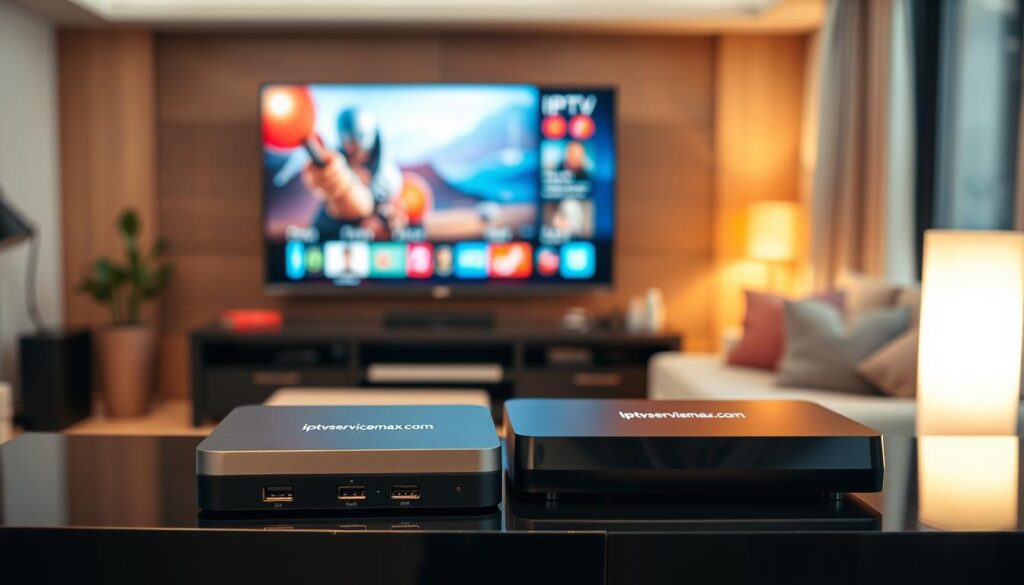
Choosing the right IPTV box is crucial for an optimal streaming experience. These devices serve as the bridge between your television and the vast world of content available online. Here, I will explore some of the top options available today, each designed to enhance your viewing experience.
Formuler Z8: Premium IPTV Box with 4K and HDR Support
The Formuler Z8 is a standout choice for those seeking premium features. This box supports 4K and HDR, ensuring that your video quality is top-notch. It comes with an external antenna for excellent range, making it perfect for streaming without interruptions. With 16GB of internal storage, you can easily record your favorite shows. Plus, its fast CPU allows for smooth menu browsing and a user-friendly interface.
MAG 324 and MAG 322: Reliable Mid-Range IPTV Boxes
If you’re looking for reliable mid-range options, consider the MAG 324 and MAG 322. The MAG 324 supports up to 1080p resolution and features a stable internal antenna for a reliable connection. It’s a great choice for first-time IPTV box buyers. The MAG 322, on the other hand, can handle speeds up to 100 Mbps and is easy to install and update, though it lacks VPN and subtitle support.
BuzzTV XR4000 and XPL3000: Powerful Streaming Hardware
The BuzzTV XR4000 is another powerful option, delivering 4K and HDR picture quality. Its intuitive user interface and customizable remote control make it user-friendly. It also features backup and restore functions along with 16GB of internal storage. Meanwhile, the BuzzTV XPL3000 is compatible with virtually any IPTV subscription service, thanks to its Stalker middleware. It also includes PVR capabilities and a built-in TV tuner.
Dreamlink T1 and T2: Budget-Friendly IPTV Box Options
For those on a budget, the Dreamlink T1 and T2 are excellent choices. The T1 is a robust 1080p device that is very affordable. The T2 upgrades to 4K and HDR with Android 7 Nougat OS, providing a feature-rich experience at a competitive price. Additionally, the Formuler Z7+ is a solid all-rounder with impressive RAM for efficiency and speed.
Key Differences Between IPTV Boxes and Android TV Boxes
It’s essential to understand the difference between IPTV boxes and Android TV boxes. IPTV boxes are purpose-built for streaming IPTV content, providing a smooth, cable-like experience. In contrast, Android TV boxes are more versatile, allowing users to download apps for services like Netflix and YouTube. However, they may not be as optimized for IPTV streaming.
For viewers who prioritize a seamless, dedicated IPTV experience, investing in an IPTV box is the better choice. On the other hand, if you want a multi-purpose streaming device, an Android TV box may suit your needs better.
In conclusion, match your IPTV box choice to your streaming quality needs. For 4K HDR televisions, consider the Formuler Z8 or BuzzTV XR4000. Meanwhile, 1080p TVs work perfectly with the MAG 324 or Dreamlink T1.
| Device | Resolution | Key Features |
|---|---|---|
| Formuler Z8 | 4K | External antenna, 16GB storage, fast CPU |
| MAG 324 | 1080p | Stable internal antenna, reliable connection |
| MAG 322 | Up to 100 Mbps | Easy installation, firmware updates |
| BuzzTV XR4000 | 4K | Customizable remote, backup functions |
| BuzzTV XPL3000 | Varies | PVR capabilities, built-in TV tuner |
| Dreamlink T1 | 1080p | Budget-friendly, robust performance |
| Dreamlink T2 | 4K | HDR, Android 7 Nougat OS |
Legal Considerations for IPTV Services in the United States
Understanding the legal landscape of IPTV services is crucial for informed streaming. IPTV technology itself is legal in the United States. However, the real question is whether the provider has the rights to distribute the television content it offers.
Licensed mainstream IPTV services include well-known names like YouTube TV, Hulu + Live TV, Fubo, DirecTV Stream, and Sling TV. These services have official apps, offer billing transparency, and provide consumer protections. In contrast, unverified independent providers often operate in a legal gray area.
Understanding What Makes IPTV Legal or Illegal
When evaluating IPTV options, it’s essential to distinguish between legitimate providers and those that may pose risks. Warning signs of unverified IPTV services include:
- Extremely low prices for large premium libraries.
- Payment only through cryptocurrency or gift cards.
- No company information or privacy policy available.
- Unofficial APK-only apps.
- No formal customer support channels.
Licensed Mainstream IPTV Services vs. Independent Providers
Using unverified IPTV services can lead to various risks. These include service blackouts, potential legal actions, and vulnerabilities regarding data privacy. Additionally, there’s a chance that such services could disappear overnight, leaving you without recourse.
FAST platforms, like Pluto TV and Tubi, are completely free and legal alternatives. While they may have more ads and fewer premium live channels, they provide a risk-free way to experience IPTV-style streaming.
Risks of Using Unverified IPTV Services
It’s vital to verify the legal status of any IPTV service in your jurisdiction before subscribing. Legitimate IPTV services ensure streaming stability, guaranteed uptime, and robust security. In contrast, unverified providers can compromise both your viewing experience and personal data.
Always ask direct questions about content licensing before making a purchase. Walk away from any provider that refuses to explain its content rights or business details. A common misconception is that using a VPN makes an unlicensed service legal. A VPN only masks online activity and does not change the legal status of the content being streamed.
In conclusion, prioritize legal, licensed providers whenever possible. This approach ensures a safe, reliable, and worry-free streaming experience.

The Role of VPNs in IPTV Streaming and Privacy
For those seeking privacy in their streaming habits, VPNs have become a popular choice. A VPN, or Virtual Private Network, encrypts your internet connection, providing a layer of security while you stream. This technology is not a requirement for legal IPTV streaming in the United States, but many users opt for it to enhance their privacy.
There are several reasons why users pair a VPN with their IPTV services:
- Ignoring ISP Throttling: Internet Service Providers (ISPs) can detect high-bandwidth activities, like streaming, and may intentionally slow down your connection. A VPN masks your streaming activities, preventing ISPs from throttling your bandwidth.
- Protecting Online Privacy: By using a VPN, you can hide your viewing habits from ISPs and other third parties. This means your data remains private, and your streaming preferences are not tracked.
- Bypassing Geo-Blocked Services: When traveling, some IPTV services may be unavailable due to regional restrictions. A VPN allows you to connect to a server in your home country, giving you access to your favorite channels.
- Improving Streaming Speed: VPNs can optimize your connection by routing your data through less congested networks, potentially enhancing your streaming experience.
However, it’s important to note that a VPN does not legalize unlicensed IPTV services. It only masks your online activity. Therefore, always choose a legal IPTV provider first before deciding whether a VPN fits your privacy needs.
I recommend several reputable VPN services that work well with IPTV. NordVPN and ExpressVPN are popular choices among users. I personally use and recommend PureVPN, known for its speed and security. It is easy to install on any device, including Android TV boxes, and comes with a 31-day money-back guarantee.
Setting up a VPN is straightforward. Simply install the VPN app on your streaming device, connect to a server of your choice, and launch your IPTV app as usual. This creates an encrypted tunnel between your device and the VPN server, ensuring your streaming habits remain private.
While some IPTV providers, like BlueStreamIPTV, may offer integrated VPN features, I advise using a dedicated, reputable VPN service for the best protection. Be cautious of free VPN services, as they often sell user data or provide inadequate encryption. Investing in a paid VPN from a trusted provider is essential for genuine privacy protection.
In conclusion, combining a legal IPTV service with a quality VPN offers the safest, most private, and most reliable streaming experience available today.
How to Start Using IPTV: A Step-by-Step Guide
Embracing IPTV for your streaming needs can be a seamless experience when you follow these essential steps. This guide will walk you through everything you need to know to get started.
Checking Your Internet Speed and Network Setup
The first step is to check your internet speed. You can do this easily at fast.com or speedtest.net. For a smooth streaming experience, ensure your connection is at least 15 Mbps for HD content and 25 Mbps or higher for 4K content. Most home internet plans in the U.S. exceed these requirements.
Selecting the Right IPTV Provider for Your Needs
Next, choose an IPTV provider that fits your specific needs. If you’re a sports fan, consider options like KenIPTV. For those focused on value, StrimoIPTV or FlexStream are worth testing. If reliability is your priority, look into DigitaLine IPTV or PioneerSTV. When in doubt, opt for a provider that offers a free trial.
Signing Up and Accessing Your IPTV Subscription Credentials
Once you’ve selected a provider, sign up and complete your payment. Afterward, you will receive your login details, which may include an M3U playlist link or Xtream Codes consisting of a username, password, and server URL. Make sure to save these credentials securely for easy access.
Installing IPTV Player Apps and Connecting Your Subscription
The next step is to download an IPTV player app. Some of the top apps in 2026 include:
- TiviMate: Best for Firestick and Android TV users.
- IPTV Smarters Pro: Great for beginners due to its simple interface.
- GSE Smart IPTV: Ideal for iPhone and iPad users.
- Kodi with PVR add-on: Best for advanced users seeking customization.
After installing your chosen app, connect your IPTV subscription. Open the app, navigate to “Add Playlist” or “Add Provider,” and paste your M3U link or enter your Xtream Codes. Channels should load within a minute or two.
Setting Up Favorites and Enjoying Your Streaming Experience
Finally, set up your favorites. Browse through the channel list and add your preferred sports channels, local networks, news stations, and entertainment channels. This organization will make it easier to access your favorite content quickly.
It’s also important to test the service during a free trial period before committing to a paid subscription. Pay attention to performance during peak evening hours when network congestion can affect streaming quality. To enhance your privacy and prevent ISP throttling, consider using a VPN like NordVPN or ExpressVPN during setup.
In case you encounter common setup issues, such as incorrect server URLs or expired M3U links, don’t hesitate to contact the provider’s customer support for assistance. Overall, the entire setup process should take less than 15 minutes. Once configured, IPTV will provide a seamless, cable-like experience across all your devices.
Comparing Pricing, Free Trials, and Subscription Plans
In today’s streaming landscape, understanding pricing and subscription plans is essential for savvy viewers. Many IPTV services are significantly more affordable than traditional cable subscriptions. The average American cable bill stands at around $127 per month, while quality IPTV subscriptions can range from just $10 to $25 per month. This shift can save you between $800 to $1,200 annually.
Average IPTV Costs Vs. Traditional Cable Bills
Legal live TV streaming services often cost less than full cable bundles. Independent IPTV subscription plans typically offer monthly to yearly options at lower rates. This makes IPTV a financially smarter choice for most households.
Free Trial Offers to Test Streaming Quality and Channel Lineup
Free trial offers are one of the most valuable tools for evaluating an IPTV service before committing financially. Trial periods can last from a few hours to several days, allowing you to assess the service’s quality and channel lineup. For example, DigitaLine IPTV provides a 48-hour free trial, while GreatestIPTV and KenIPTV often advertise trial access. FlexStream offers a 3-day free trial, and StrimoIPTV includes a trial period for testing.
Flexible Subscription Terms: Monthly, Quarterly, Annual Plans
IPTV subscription plans offer flexibility that traditional cable contracts often lack. You can choose from monthly plans for short-term testing, quarterly plans for moderate commitment, or annual plans that typically provide the lowest average monthly cost. This allows you to tailor your subscription to your viewing habits.
Avoiding Hidden Fees and Ensuring Transparent Billing
When selecting an IPTV provider, be vigilant about hidden fees, unclear renewals, and unrealistic claims. Pricing transparency is a hallmark of trustworthy IPTV providers. For instance, Sling TV exemplifies transparent billing with its flexible package model, allowing users to choose smaller base packages and add channels as needed.
To ensure a realistic assessment of streaming quality, I advise testing free trials during peak hours—typically evenings and weekends—when network congestion is highest. This will give you a better idea of the service’s performance under real-world conditions.
In conclusion, the combination of free trials, flexible terms, and transparent billing makes IPTV a financially smarter choice than traditional cable for the vast majority of American households.
Conclusion
As we wrap up this guide, it’s clear that IPTV offers a compelling alternative to traditional cable. My top recommendation, GreatestIPTV, stands out for its broad channel selection and on-demand content. Sports fans should consider KenIPTV for comprehensive live sports coverage, including major leagues and PPV events.
For those focused on value, StrimoIPTV and FlexStream provide affordable plans with solid streaming quality. If reliability is your priority, look into PioneerSTV or DigitaLine IPTV for stable performance and excellent customer support.
Remember to explore licensed mainstream options like Sling TV and YouTube TV for legal protections and transparent billing. Always start with a free trial to test your favorite channels, especially during peak hours.
Ultimately, the best service is the one that fits your viewing habits, whether you seek international content, high-quality streams, or family-friendly plans. Verify the legal status of any service before subscribing to ensure a safe and enjoyable streaming experience.
This guide was last updated in July 2026. For the latest details, always check directly with providers, as offerings may change.